Preparing for a Thorough Examination Under PSSR 2000: A Complete Guide
Introduction
If your business operates pressure systems in the UK, compliance with the Pressure Systems Safety Regulations 2000 (PSSR 2000) is not optional. It is a legal requirement. One of the most critical components of these regulations is the Thorough Examination.
Whether you manage boilers, compressed air systems, or refrigeration units, preparing properly for a Thorough Examination ensures safety, avoids costly downtime, and keeps your organisation compliant.
This guide explains what a Thorough Examination is, why it matters, and how to prepare effectively, based on real-world best practices and industry expertise.
What Is a Thorough Examination?
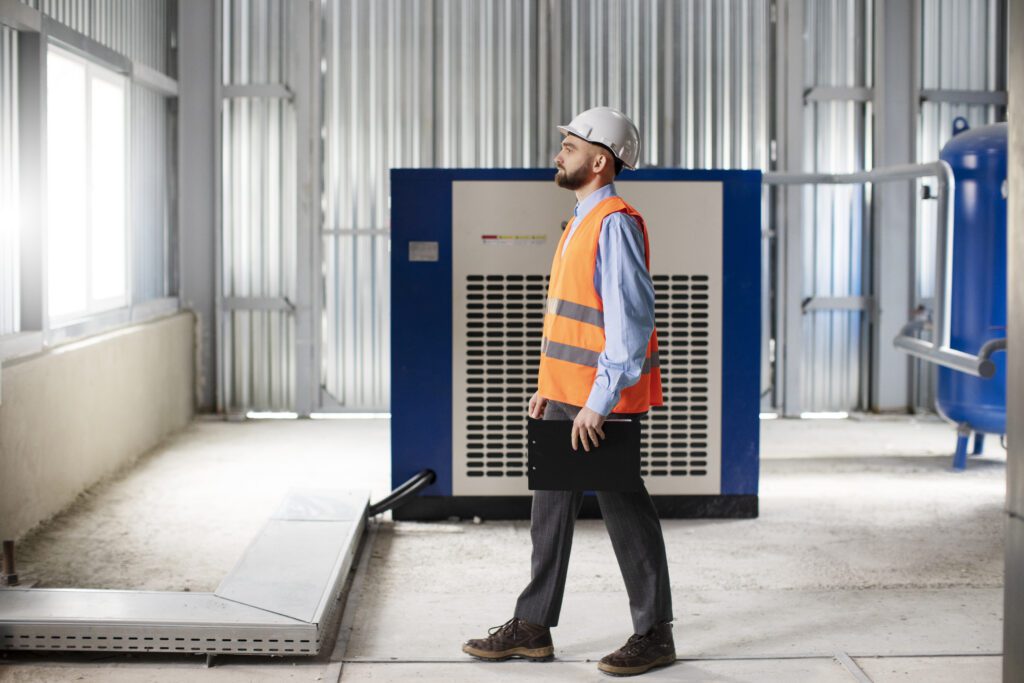
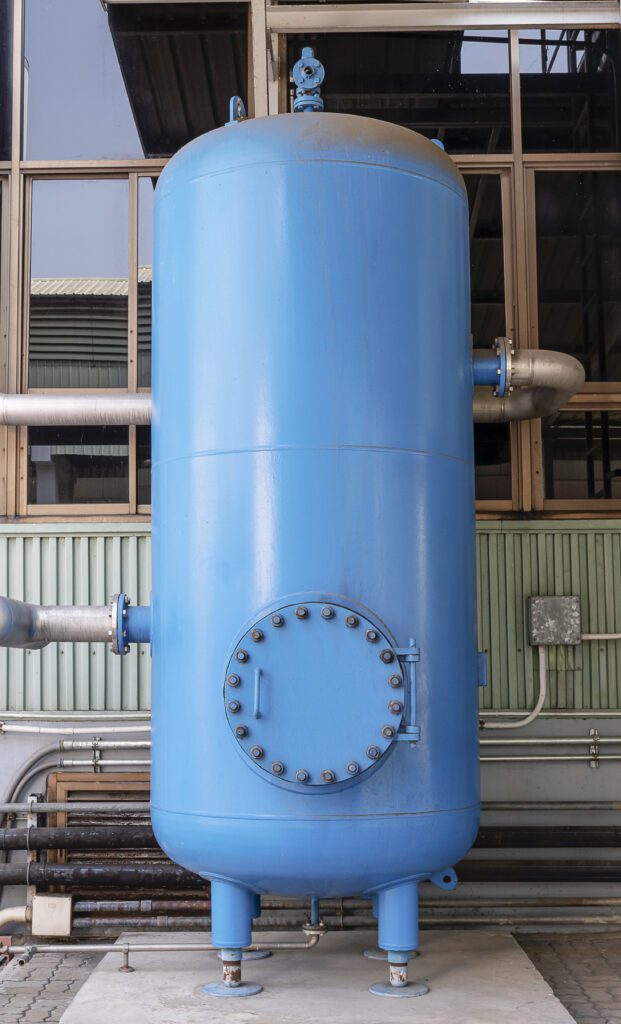
A Thorough Examination is a systematic and detailed inspection of a pressure system and its protective devices. It must be carried out by a Competent Person to ensure the system is safe to operate.
Unlike routine maintenance, this examination focuses on:
– Detecting defects that could lead to failure
– Verifying safe operating limits
– Ensuring compliance with a Written Scheme of Examination (WSE)
Why Thorough Examinations Matter
Failing to comply with PSSR 2000 can result in:
– Serious safety risks, including explosions or equipment failure
– Legal penalties and enforcement action
– Increased insurance premiums or invalidated coverage
– Unplanned operational downtime
A well-prepared examination reduces these risks and demonstrates your organisation’s commitment to safety and compliance.
Key Components of PSSR 2000 Compliance
To prepare effectively, you need to understand the core elements of compliance:
1. Written Scheme of Examination (WSE)
This document outlines:
– What parts of the system must be examined
– The frequency of examinations
– The type of inspection required
Tip: Ensure your WSE is up to date and reflects any system modifications.
2. Competent Person
The examination must be conducted by someone with:
– Sufficient technical knowledge
– Practical experience with pressure systems
– Independence and impartiality
This is often an external inspection body or specialist engineer.
3. Examination Intervals
Typical intervals depend on the system type, but must follow the WSE. Missing deadlines is a common compliance failure, so plan ahead.
How to Prepare for a Thorough Examination
Proper preparation can significantly reduce delays and unexpected failures.
1. Review Documentation
Ensure all records are accurate and accessible:
– Previous examination reports
– Maintenance logs
– Repairs and modifications history
– Operating manuals
Best practice: Keep both digital and physical copies readily available.
2. Inspect the System Internally
Before the Competent Person arrives:
– Conduct a visual inspection
– Identify obvious wear, corrosion, or leaks
– Address minor issues proactively
This reduces the risk of defects arising during the examination.
3. Isolate and Prepare Equipment
You may need to:
– Shut down the system
– Depressurise safely
– Drain and clean components
– Provide safe access (e.g., scaffolding, platforms)
Failure to prepare access is one of the most common causes of delays.
4. Ensure Safety Measures Are in Place
– Lockout/tagout procedures
– Risk assessments and method statements
– Adequate ventilation and lighting
Safety preparation protects both your team and the examiner.
5. Check Protective Devices
Safety valves, pressure gauges, and cut-out systems must be:
– Functioning correctly
– Calibrated
– Within certification dates
These are critical to system safety and will be closely inspected.
6. Communicate With Your Competent Person
Before the visit:
– Confirm scope and requirements
– Discuss any system changes
– Clarify access needs and downtime expectations
Clear communication avoids surprises.
Common Issues Found During Examinations
Being aware of frequent failures can help you prepare:
– Corrosion or erosion of vessels and pipework
– Inoperative or poorly maintained safety valves
– Inaccurate pressure gauges
– Lack of documentation
– Unauthorised modifications
Addressing these proactively improves your chances of passing first time.
A thorough examination can only run against a valid written scheme, so if yours needs drawing up or reviewing, see our written scheme of examination service, or book directly through our PSSR examination service.
After the Examination: What Happens Next?
Once the examination is complete, you will receive a report outlining:
– Condition of the system
– Any defects
– Required actions and deadlines
Important:
– Immediate defects must be addressed before continued use
– Timed defects must be scheduled for repair within the set timeframe
– Keep the report for compliance and audit purposes
Expert Tips for Ongoing Compliance
– Schedule examinations well in advance
– Implement a preventative maintenance programme
– Train staff on pressure system safety
– Regularly review and update your WSE
– Work with a trusted inspection body
PSSR 2000 itself and the HSE’s pressure systems guidance set out every requirement covered in this guide.
Conclusion
Preparing for a Thorough Examination under PSSR 2000 is more than a tick-box exercise. It is a critical step in protecting your people, assets, and business operations.
By staying organised, proactive, and compliant, you can ensure smooth inspections, minimise downtime, and maintain a safe working environment.
If you’re unsure about your readiness, consider consulting a qualified Competent Person or specialist provider to guide you through the process.
Disclaimer: This article is for informational purposes only and should not replace professional advice or legal guidance regarding PSSR 2000 compliance.