Tag Archives: COSHH

Statutory Inspection in Manufacturing: What’s Required?

Statutory Inspections in Manufacturing: What’s Required?

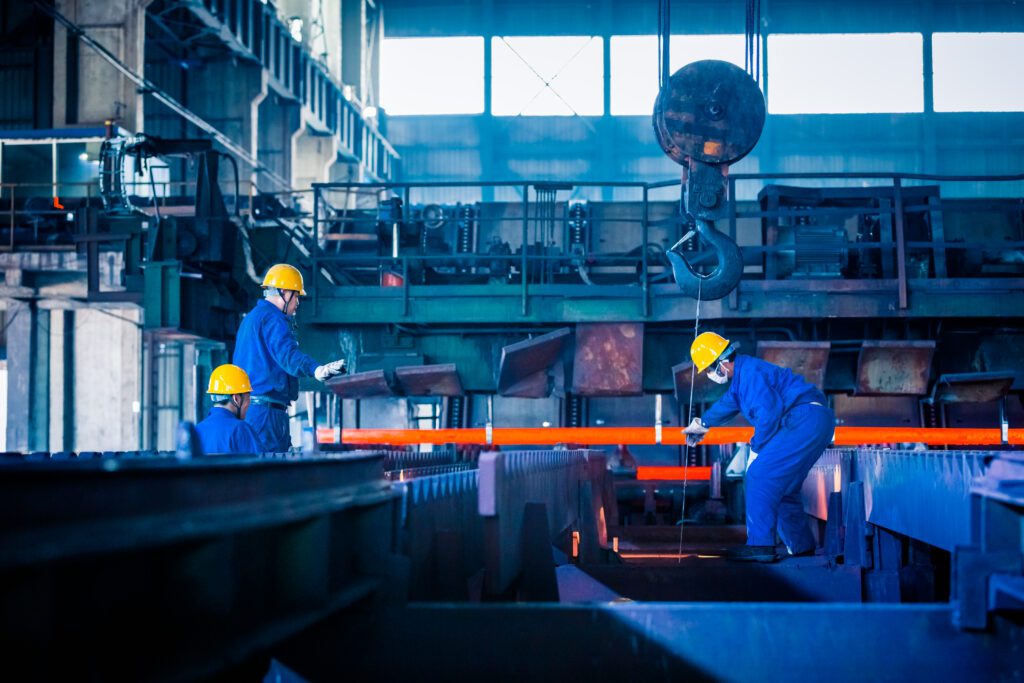
Manufacturing businesses in the UK are legally required to carry out statutory inspections to ensure machinery, lifting equipment, pressure systems, and hazardous substance controls remain safe and compliant.

Under the Health and Safety at Work etc. Act 1974 and supporting regulations such as Lifting Operations and Lifting Equipment Regulations 1998 (LOLER), Provision and Use of Work Equipment Regulations 1998 (PUWER), Pressure Systems Safety Regulations 2000 (PSSR), and Control of Substances Hazardous to Health Regulations 2002 (COSHH), manufacturers must implement structured inspection regimes carried out by competent persons.

Failure to comply can result in enforcement notices, significant fines, production downtime, and in serious cases, director liability.

This guide explains:

. Which statutory inspections apply in manufacturing
. What equipment must be examined
. Required inspection frequencies
. Common compliance failures
. How to build a defensible inspection framework

If you operate a manufacturing facility, understanding your statutory inspection duties is essential for legal compliance, operational continuity, and board-level risk management.

Read the full guide to ensure your manufacturing business meets UK statutory inspection requirements and can demonstrate robust health and safety governance.

How Statutory Inspections Protect Directors Personally

Company directors have clear legal duties under UK health and safety law — and failure to comply can result in personal prosecution, unlimited fines, disqualification, or even imprisonment. Robust statutory inspections under Lifting Operations and Lifting Equipment Regulations 1998 (LOLER), Provision and Use of Work Equipment Regulations 1998 (PUWER), Pressure Systems Safety Regulations 2000 (PSSR), and LEV examinations required by Control of Substances Hazardous to Health Regulations 2002 (COSHH) are not just operational requirements — they are essential safeguards for directors themselves.

From lifting equipment and machinery safety to pressure systems and local exhaust ventilation testing, these statutory regimes create documented evidence of due diligence, competent oversight, and proactive risk management. In the event of an incident, investigators will examine whether inspections were completed on time, defects were addressed promptly, and compliance was reviewed at board level.

This guide explains how structured statutory inspection programmes reduce personal liability, strengthen corporate governance, and provide directors with defensible protection against enforcement action. If you are a company director, senior manager, or board member, understanding your responsibilities under LOLER, PUWER, PSSR, and COSHH is critical to protecting both your organisation — and your personal position.