
Contents
Show
Book Pressure System Inspection
Need your pressure systems inspected in line with PSSR2000 regulations? Get a quote today to ensure you remain compliant.

Need your pressure systems inspected in line with PSSR2000 regulations? Get a quote today to ensure you remain compliant.
Stay compliant. Stay safe. Book your examination today with SEIS – your trusted independent inspection & testing company in Caistor.
Thorough examinations in line with PSSR2000 are legally required, periodic examinations, carried out in line with a written scheme of examination, for all pressure systems/ equipment which contain a relevant fluid within a vessel over 250 bar/litre, or hold steam at any pressure-volume. The aim of these examinations is to ensure equipment and workplace safety, and overall compliance in line with UK regulations. In turn protecting your workforce from potential hazards, and you from non compliance.
Book PSSR Inspection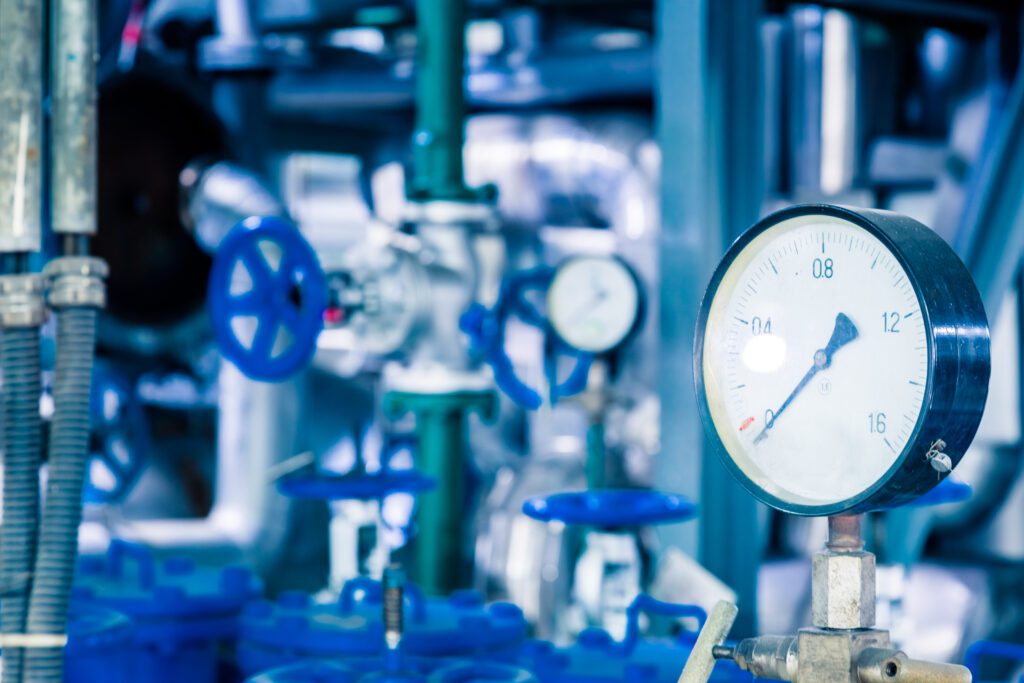
Caistor is a historic market town located in the West Lindsey district of Lincolnshire, England. Nestled at the northern edge of the Lincolnshire Wolds, an Area of Outstanding Natural Beauty, Caistor is known for its Roman origins, evident through remnants of Roman walls and archaeological finds throughout the area. The town has a population of around 2,500 people and retains a strong sense of heritage, with over 50 listed buildings and a well-preserved Georgian marketplace. Its historical charm, rural setting, and proximity to larger towns like Grimsby and Lincoln make Caistor both a quiet residential community and a modest commercial hub.
The economic landscape of Caistor is characterized by small to medium-sized enterprises, with key industries including agriculture, food production, logistics, and light manufacturing. Given its rural location, agriculture remains a significant sector, with surrounding farms producing cereals, vegetables, and livestock. Food processing companies also play a vital role in the local economy, supported by Lincolnshire’s broader reputation as a major food-producing region. In addition, several local businesses are engaged in engineering, woodworking, and metal fabrication—serving both local and regional clients.
Another important industry in Caistor is logistics and distribution, benefiting from the town’s strategic location near the A46 and A631 road networks. Caistor’s business parks, such as the Caistor Lakes and Enterprise Park areas, host a range of services including warehousing, courier operations, and construction firms. Tourism and hospitality also contribute to the economy, albeit on a smaller scale, as the town attracts visitors interested in walking, history, and countryside retreats. With growing attention to rural development, Caistor continues to balance preserving its heritage while supporting modern industry and innovation.
Caistor is surrounded by towns and villages whose development has traditionally been shaped by agriculture, quarrying, and small-scale rural industry. Nearby places such as Market Rasen, Brigg, and Kirton in Lindsey grew as market centres serving the farming communities of the Lincolnshire Wolds. The area’s chalk and limestone landscape supported arable farming and sheep rearing, which formed the backbone of the local economy for centuries.
Smaller villages including Nettleton, Grasby, and Croxby relied mainly on agriculture but also developed supporting industries such as milling, malting, and lime burning. Quarrying was particularly important in parts of the Wolds, providing stone for building and road construction. Local craftsmen, blacksmiths, and agricultural engineers played a vital role in supporting farming life across the villages.
In more recent times, traditional industries have modernised rather than disappeared. Farming remains important, alongside food production, rural businesses, and tourism linked to the Lincolnshire Wolds Area of Outstanding Natural Beauty. While large-scale industry is limited, the surrounding towns and villages continue to reflect Caistor’s strong agricultural heritage and its role as a rural service centre.
For these businesses, staying compliant with the Pressure Systems Safety Regulations 2000 (PSSR) is not just a legal requirement—it’s also about safeguarding your employees, protecting your business reputation, and ensuring your equipment remains safe and reliable.
PSSR regulations place strict duties on business owners and equipment operators. Any business in Caistor that owns or operates pressure systems and pressure equipment must ensure that:
Pressure systems and pressure equipment is safe to use.
Examinations are carried out in line with their written scheme of examination (WSE) and at regular, legally required intervals.
Inspections are conducted by a competent and impartial person.
Failure to comply can lead to heavy fines, prosecution, and serious safety risks.
At SEIS, we know that every business in Caistor – whether in heavy industry, healthcare, education, catering or automotive—depends on reliable, safe equipment. Regular PSSR inspections & PSSR testing reduces the risk of accidents, protects your workforce, and ensures smooth day-to-day operations. Compliance not only keeps you legal, but also demonstrates a strong commitment to employee safety.
Book PSSR InspectionA thorough examination & in service examination under PSSR is a detailed and legally required inspection of your pressure system, and the vessels & system protective devices within it. Unlike simple checks or maintenance tasks, a PSSR examination must be performed by an impartial, competent person and results in an official Report of Thorough Examination.
How often your pressure system in Caistor needs to be inspected & tested depends on its drafted written scheme of examination by the competent person, it’s relevant fluid and the system conditions:
Every 12 to 14 months – Steam and hot water boilers operating under variable service conditions, and pressure vessels where rapid deterioration can be expected, as outlined in SAFed PSG 01.
Every 24 to 26 months – Steam and hot water boilers operating under steady conditions, and pressure vessels potentially subject to rapid deterioration, as outlined in SAFed PSG 01 (e.g., Air receivers not regularly drained, shot blast vessels, Autoclaves & Steam jacketed pans).
After significant changes or repairs – Equipment must be inspected immediately if it has been modified, damaged, repaired or relocated.
PSSR requires inspections to be carried out by a competent and independent person—not by the equipment supplier or operator. At SEIS, we meet these exact criteria. Our inspections are impartial, unbiased, and always in line with UK regulations.
Book PSSR InspectionBusinesses in Caistor use a vast range of pressure equipment, and at SEIS we provide PSSR inspections across them all.
Air receivers
Air/oil receiver
Nitrogen receivers
Carbon Dioxide receivers
Autoclaves
Air receivers/ mobile compressors
Heat exchangers
Steam generators
Steam boilers
Ecomomisers
Blow down vesels
Steam receivers
Compressed air systems
No matter the type of equipment on your site, SEIS ensures every examination is completed thoroughly, with full reports for your compliance records.
Book PSSR Inspection
A thorough and in service/ working examination on an air/ oil receiver ensures regulatory compliance is maintained, that your pressure equipment is examined at the correct intervals as outlined in SAFed guidance PSG01, and that your pressure equipment is satisfactory in line with it's written scheme of examination.

A thorough and in service/ working examination on an air receiver/ air compressor/ pressure vessel/ Expansion vessel ensures regulatory compliance is maintained, that your pressure equipment is examined at the correct intervals as outlined in SAFed guidance PSG01, and that your pressure equipment is satisfactory in line with it's written scheme of examination. Extra guidance is also referred to e.g SAFed guidance PSG 14 to ensure spigot clearances on handhole and manhole doors are satisfactory.

A thorough and in service/ working examination on an cafe/coffe steam boiler ensures regulatory compliance is maintained, that your pressure equipment is examined at the correct intervals as outlined in SAFed guidance PSG01, and that your pressure equipment is satisfactory in line with it's written scheme of examination. SAFed guidance PSG08 is also referred to, this ensures the examination is carried out in line with SAFed guidance.

A thorough and in service/ working examination on an autoclave ensures regulatory compliance is maintained, that your pressure equipment is examined at the correct intervals as outlined in SAFed guidance PSG01, and that your pressure equipment is satisfactory in line with it's written scheme of examination.

A thorough and in service/ working examination on an air receiver/ pressure vessel ensures regulatory compliance is maintained, that your pressure equipment is examined at the correct intervals as outlined in SAFed guidance PSG01, and that your pressure equipment is satisfactory in line with it's written scheme of examination.

A thorough and in service/ working examination on an steam boiler ensures regulatory compliance is maintained, that your pressure equipment is examined at the correct intervals as outlined in SAFed guidance PSG01, and that your pressure equipment is satisfactory in line with it's written scheme of examination. Several other guidance's are referred to during the examination, SAFed guidance PSG14 when measuring the manhole doors, PSG22 for blowdown system guidance, and SBG1 / SBG2 to name a few.

A thorough and in service/ working examination on an blow down vessel ensures regulatory compliance is maintained, that your pressure equipment is examined at the correct intervals as outlined in SAFed guidance PSG01, and that your pressure equipment is satisfactory in line with it's written scheme of examination. SAFed guidance PSG14 (spigot clearances of handhole doors) and PSG22 (guidance on blowdown systems) are also referred to, this ensure full compliance across all guidance.

A thorough and in service/ working examination on an air receiver/ pressure vessel ensures regulatory compliance is maintained, that your pressure equipment is examined at the correct intervals as outlined in SAFed guidance PSG01, and that your pressure equipment is satisfactory in line with it's written scheme of examination. SAFed guidance PSG17 (refrigeration systems) is also referred to during the examination, ensuring system protective devices are replaced at correct intervals etc.

A thorough and in service/ working examination on an steam receiver and steam heated roller ensures regulatory compliance is maintained, that your pressure equipment is examined at the correct intervals as outlined in SAFed guidance PSG01, and that your pressure equipment is satisfactory in line with it's written scheme of examination. SAFed guidance PSG14 is also referred to, this ensures the manhole door spigot clearances are satisfactory during the examination.

A thorough and in service/ working examination on an steam heated platen ensures regulatory compliance is maintained, that your pressure equipment is examined at the correct intervals as outlined in SAFed guidance PSG01, and that your pressure equipment is satisfactory in line with it's written scheme of examination. SAFed guidance PSG14 is also referred to, this ensures the manhole door spigot clearances are satisfactory during the examination.

A thorough and in service/ working examination on an abrasive blast pot ensures regulatory compliance is maintained, that your pressure equipment is examined at the correct intervals as outlined in SAFed guidance PSG01, and that your pressure equipment is satisfactory in line with it's written scheme of examination. SAFed guidance PSG14 is also referred to, this ensures the manhole door spigot clearances are satisfactory during the examination.

A thorough and in service/ working examination on an steam oven ensures regulatory compliance is maintained, that your pressure equipment is examined at the correct intervals as outlined in SAFed guidance PSG01, and that your pressure equipment is satisfactory in line with it's written scheme of examination.
SEIS is proud to support Caistor businesses with impartial, expert inspections. We understand the local industries, from the port to food production, and we tailor our service to meet your needs.
As an independent inspection provider, we do not sell or repair pressure equipment. This means you can trust our assessments to be impartial, unbiased, and fully in line with PSSR regulations.
Our team of qualified surveyors have years of hands-on experience across multiple industries. They know exactly what to look for and how to ensure your business remains compliant without unnecessary disruption.
We understand that downtime costs money. That’s why we work around your production schedule, conducting inspections efficiently and professionally so your operations continue smoothly.
Book PSSR InspectionWe make PSSR inspections & testing straightforward and hassle-free for local businesses.
Simply get in touch with our team, and we’ll arrange a time that works for you.
Our engineer surveyors visit your site and carry out thorough & in-service examinations with minimal disruption.
After each inspection, you’ll receive a clear, detailed report highlighting any defects and recommended actions.
We’ll manage your inspection schedule, reminding you before your next due date. Plus, you’ll have access to our online reporting portal, so your certificates are always at your fingertips.
Book PSSR InspectionChoosing the right inspection provider makes all the difference. Here’s why Caistor businesses trust SEIS:
From the engineering firms and food manufacturing to farms, schools, and garages, we understand the unique challenges businesses here face.
We provide inspections for:
Heavy industry
Education
Healthcare
Automotive
We pride ourselves on safety, compliance, and customer service—always putting your needs first.
Caistor is a small market town in Lincolnshire, England, located on the edge of the Lincolnshire Wolds.
The town has Roman origins and was once the site of the Roman settlement known as Caistor-by-Lincoln.
Remains of Roman walls can still be seen in and around the town.
Caistor developed historically as a local market centre for surrounding farming communities.
The Lincolnshire Wolds around Caistor are designated an Area of Outstanding Natural Beauty.
Agriculture has long been the main influence on the town’s economy and development.
Caistor Grammar School has a long history and is one of the town’s best-known institutions.
The town is located close to larger centres such as Market Rasen and Grimsby.
Caistor retains a number of historic buildings reflecting its market-town past.
Today, Caistor has a small but varied economy including local services, agriculture-related businesses, and tourism.
Booking with SEIS is quick and easy:
✅ Call our friendly team
✅ Fill in our online booking form
✅ Get your inspection arranged around your schedule
We’ll handle the rest, ensuring your equipment is inspected thoroughly, your compliance is up to date, and your workforce is kept safe.
A PSSR inspection, or thorough examination, is a legally required check of pressure systems & equipment to ensure it is safe, compliant, and fit for use.
Inspections are required:
Every 12 to 14 months – Steam and hot water boilers operating under variable service conditions, and pressure vessels where rapid deterioration can be expected, as outlined in SAFed PSG 01.
Every 24 to 26 months – Steam and hot water boilers operating under steady conditions, and pressure vessels potentially subject to rapid deterioration, as outlined in SAFed PSG 01 (e.g., Air receivers not regularly drained, shot blast vessels, Autoclaves & Steam jacketed pans).
After significant changes or repairs – Equipment must be inspected immediately if it has been modified, damaged, repaired or relocated.
Only a competent and impartial person can perform PSSR inspections. At SEIS, our independent surveyors meet these requirements.
PSSR applies to:
PSSR covers all pressure systems/ pressure vessels. The requirement for examination depends on several factors.
If you require further guidance, refer to the PSSR ACOP, or simply get in touch!
Yes. Whether you run a large factory or a small garage, any business operating a pressure system or pressure equipment must comply with PSSR.
Non-compliance can lead to fines, legal penalties, equipment downtime, and serious safety risks for staff.
No. SEIS works around your schedule to complete inspections efficiently, minimising downtime and disruption.
You’ll get a digital Report of Thorough Examination by email and access via our secure online portal.
Yes. We manage your compliance schedule and send reminders before your equipment is due for inspection.
Yes. Alongside Caistor, we also serve clients across North Lincolnshire and nationally, across the whole of the UK.