Why LEV Inspections in line with COSHH2002 Matter for Businesses in North Lincolnshire
North Lincolnshire
North Lincolnshire is a unitary authority area in northern England, forming part of the historic county of Lincolnshire. Created in 1996 following local government reorganisation, it includes towns such as Scunthorpe, Brigg, and Barton-upon-Humber. Positioned along the south bank of the Humber Estuary, North Lincolnshire benefits from strong transport links, industrial infrastructure, and access to major UK and international trade routes.
A Brief History of North Lincolnshire
Although North Lincolnshire as an administrative area is relatively modern, its history stretches back thousands of years. Archaeological evidence shows prehistoric and Roman settlements across the region, particularly near the Humber and in the fertile Ancholme Valley.
During the medieval period, market towns such as Brigg developed as agricultural trading centres, while Barton-upon-Humber became a significant port and religious site. The Humber Estuary played a central role in trade and communication, linking the region to Yorkshire and beyond.
The Industrial Revolution marked a major turning point, particularly with the development of ironstone mining and steel production in Scunthorpe. By the late 19th and early 20th centuries, Scunthorpe had become one of Britain’s key steel-producing towns, shaping the economic identity of the wider area.
Modern Industries in North Lincolnshire
Today, North Lincolnshire has a diverse and industrially significant economy.
Steel Production and Manufacturing:
Scunthorpe remains synonymous with steelmaking, with major operations continuing under companies such as British Steel. Steel production remains one of the region’s largest employers and contributes substantially to the UK’s infrastructure and construction sectors.
Renewable Energy and Ports:
The Humber Estuary is a major hub for offshore wind energy. North Lincolnshire supports supply chain businesses, logistics operations, and port-related industries connected to renewable energy development in the North Sea.
Agriculture and Food Processing:
Fertile farmland in the Ancholme Valley and surrounding rural areas supports arable farming, vegetable production, and food manufacturing. Agriculture continues to play a vital economic role.
Logistics and Distribution:
With access to the M180, M181, and Humber Bridge routes, North Lincolnshire is strategically positioned for warehousing and distribution operations serving northern and central England.
Engineering and Construction:
Engineering services, fabrication, and construction firms support both heavy industry and renewable energy projects across the region.
North Lincolnshire Today
Modern North Lincolnshire blends rural landscapes with industrial strength. Its economy is underpinned by steel production, logistics, renewable energy, and agriculture, while its towns retain strong historical identities rooted in trade and manufacturing.
With continued investment in infrastructure, energy, and business development, North Lincolnshire remains a key contributor to the economic landscape of northern England and the wider Humber region.
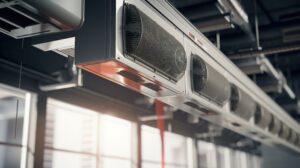
For these businesses, staying compliant with the Control of Substances Hazardous to Health 2002 (COSHH) is not just a legal requirement—it’s also about safeguarding your employees, protecting your business reputation, and ensuring your equipment remains safe and reliable.
Legal Requirements Under COSHH 2002
COSHH regulations place strict duties on business owners and equipment operators. Any business in North Lincolnshire that owns or operates pressure systems and pressure equipment must ensure that:
Failure to comply can lead to heavy fines, prosecution, and serious safety risks.
Protecting Your Workforce and Your Business
At SEIS, we know that every business in North Lincolnshire – whether in heavy industry, healthcare, education, catering or automotive—depends on reliable, safe equipment. Regular LEV inspections & LEV testing reduces the risk of accidents, protects your workforce, and ensures smooth day-to-day operations. Compliance not only keeps you legal, but also demonstrates a strong commitment to employee safety.
Book LEV Inspection