Book Your Statutory Inspection
Need your lifting, pressure, work, or extraction equipment examined in line with LOLER98, PUWER98, PSSR2000 and COSHH2002 regulations? Get a quote today to ensure you remain compliant.
Statutory Inspections in Manufacturing: What’s Required?
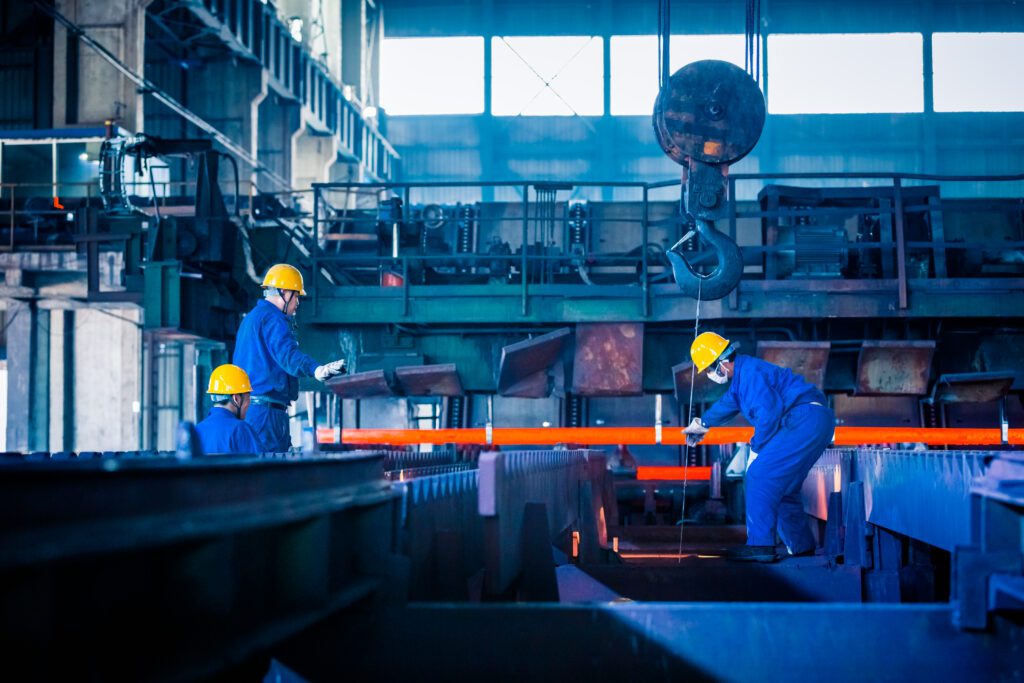
Manufacturing environments contain some of the highest-risk work activities in the UK — heavy machinery, lifting operations, pressure systems, hazardous substances, and complex production lines.
To control these risks, UK law requires statutory inspections under several key regulations.
If you are a director, operations manager, maintenance lead, or H&S professional, understanding exactly what is required — and what “good” looks like — is critical.
This guide explains the legal requirements, inspection frequencies, common enforcement failures, and how to build a compliant statutory inspection framework in manufacturing.
What Are Statutory Inspections?
Statutory inspections are legally mandated examinations of specific types of equipment and control systems to ensure they remain safe for use.
In manufacturing, the core inspection regimes typically fall under:
-
Lifting Operations and Lifting Equipment Regulations 1998 (LOLER)
-
Provision and Use of Work Equipment Regulations 1998 (PUWER)
-
Pressure Systems Safety Regulations 2000 (PSSR)
-
Control of Substances Hazardous to Health Regulations 2002 (COSHH) – particularly LEV examinations
These regulations sit under the broader framework of the Health and Safety at Work etc. Act 1974 (HSWA), which places overarching duties on employers and directors.
1. LOLER – Lifting Equipment Inspections
What Equipment Is Covered?
In manufacturing, LOLER commonly applies to:
-
Overhead cranes
-
Jib cranes
-
Forklift trucks
-
Goods lifts
-
Chain blocks and hoists
-
Lifting accessories (slings, shackles, eyebolts)
What Is Required?
LOLER requires:
-
Thorough examination by a competent person
-
Formal written report
-
Defect categorisation
-
Immediate action on serious defects
Inspection Frequency
-
Every 6 months for lifting equipment used to lift people
-
Every 6 months for lifting accessories
-
Every 12 months for other lifting equipment
-
Or at intervals specified in a written scheme
Common Manufacturing Failures
-
No central lifting equipment register
-
Missed examination dates
-
Failure to act on Category A defects
-
Confusion between maintenance and thorough examination
Key point: Maintenance is not a substitute for statutory examination.
2. PUWER – Work Equipment Inspections
PUWER applies to almost every piece of machinery used in manufacturing.
Examples:
-
CNC machines
-
Presses
-
Conveyor systems
-
Injection moulders
-
Robotic cells
-
Power tools
What Does PUWER Require?
-
Equipment must be suitable for intended use
-
Properly maintained
-
Inspected where deterioration could result in danger
-
Used only by trained persons
-
Adequately guarded
Is PUWER Inspection Frequency Defined?
Unlike LOLER, PUWER does not specify fixed intervals. Instead, inspections must be:
-
Risk-based
-
Appropriate to usage and environment
-
Documented
For most manufacturing sites, this means:
-
Daily/shift checks (operator level)
-
Planned preventative maintenance
-
Periodic formal safety inspections
Common Enforcement Triggers
-
Inadequate guarding
-
Bypassed interlocks
-
Lack of inspection records
-
Poor maintenance systems
Machinery-related injuries remain one of the most prosecuted areas in UK manufacturing.
3. PSSR – Pressure Systems
Manufacturing sites often operate:
-
Air compressors
-
Receivers
-
Steam boilers
-
Pressure vessels
-
Refrigeration systems
Under PSSR, you must have:
A Written Scheme of Examination (WSE)
This is a legally required document that:
-
Identifies parts requiring examination
-
Specifies examination intervals
-
Is certified by a competent person
Examinations Must Be:
-
Carried out within the specified interval
-
Properly documented
-
Followed by remedial action where required
Why PSSR Is High Risk
Pressure system failures can result in catastrophic explosions.
One of the fastest routes to prosecution is not having a compliant Written Scheme in place.
4. COSHH – LEV Testing in Manufacturing
Many manufacturing processes generate airborne contaminants, including:
-
Welding fumes
-
Wood dust
-
Silica dust
-
Composite dust
-
Chemical vapours
-
Soldering fumes
Where Local Exhaust Ventilation (LEV) systems are used to control exposure, they must be:
-
Thoroughly examined and tested at least every 14 months
-
Tested more frequently if risk assessment requires
-
Properly maintained
-
Accompanied by airflow and performance records
Regulators are increasingly focused on occupational lung disease, making LEV compliance a priority enforcement area.
Director and Board-Level Responsibilities
Under HSWA Section 37, directors can be prosecuted personally where offences occur due to neglect.
In practice, investigators will examine:
-
Was there a statutory inspection register?
-
Were inspections completed on time?
-
Were competent persons appointed?
-
Were reports reviewed at senior level?
-
Were defects tracked and closed out?
Delegating to maintenance or H&S does not remove accountability.
Statutory inspections are a governance issue.
What “Good” Looks Like in Manufacturing
A compliant manufacturing business typically has:
1. A Centralised Asset Register
Including:
-
All lifting equipment
-
All pressure systems
-
LEV systems
-
High-risk machinery
2. Documented Inspection Schedule
Clear tracking of:
-
Due dates
-
Competent person assignments
-
Completion status
3. Defect Escalation Procedure
Formal system for:
-
Categorising defects
-
Assigning corrective actions
-
Tracking close-out
-
Reporting serious defects to senior leadership
4. Board-Level Reporting
Quarterly compliance summaries including:
-
Inspection completion rates
-
Outstanding defects
-
High-risk findings
5. Independent, Competent Inspectors
Examinations must be conducted by technically competent persons with appropriate independence.
Common Questions About Statutory Inspections in Manufacturing
Is maintenance the same as a statutory inspection?
No. Maintenance ensures equipment functions correctly.
Statutory inspections assess safety and legal compliance.
Can we use in-house engineers?
In some cases, yes — but they must be demonstrably competent and sufficiently independent. For high-risk systems (LOLER, PSSR), external examiners are common.
What happens if we miss an inspection?
You may be operating equipment illegally. In serious cases, this can lead to:
-
Improvement notices
-
Prohibition notices
-
Prosecution
-
Director liability
The Cost of Non-Compliance
Enforcement outcomes in manufacturing regularly include:
-
Five- and six-figure fines
-
Production downtime
-
Director disqualification
-
Significant reputational damage
Beyond financial penalties, investigations consume senior leadership time and can disrupt operations for months.
By contrast, structured statutory inspection programmes are predictable and manageable in cost.
Final Thoughts: Compliance as Operational Control
Statutory inspections in manufacturing are not administrative exercises. They are fundamental risk controls.
When properly implemented, they:
-
Prevent serious injury and fatality
-
Reduce downtime
-
Protect directors
-
Demonstrate due diligence
-
Strengthen governance
If you operate in manufacturing, the question is not whether statutory inspections are required.
It is whether your current system would withstand regulatory scrutiny.
A proactive, structured inspection framework is not just legal compliance — it is operational resilience.
If you would like guidance on auditing or improving your statutory inspection framework in manufacturing, seek advice from a competent health and safety professional with sector-specific experience.
Statutory Inspections FAQ's
Statutory inspections are legally required examinations of certain types of equipment and safety systems used in manufacturing. They ensure equipment remains safe and compliant with UK health and safety law, including the Health and Safety at Work etc. Act 1974 and supporting regulations such as Lifting Operations and Lifting Equipment Regulations 1998 (LOLER), Provision and Use of Work Equipment Regulations 1998 (PUWER), Pressure Systems Safety Regulations 2000 (PSSR), and Control of Substances Hazardous to Health Regulations 2002 (COSHH).
Most UK manufacturing sites require inspections under:
-
LOLER – for lifting equipment such as cranes, hoists, forklifts, and lifting accessories
-
PUWER – for work equipment including machinery, production lines, and tools
-
PSSR – for pressure systems such as air compressors and steam systems
-
COSHH (LEV testing) – for local exhaust ventilation systems controlling dust, fumes, or vapours
The exact requirements depend on your equipment, processes, and risk profile.
Under LOLER:
-
Lifting accessories must be thoroughly examined every 6 months
-
Equipment used to lift people must be examined every 6 months
-
Other lifting equipment must be examined every 12 months, unless a written scheme specifies a different interval
Examinations must be carried out by a competent person and formally documented.
PUWER does not prescribe fixed inspection intervals like LOLER. Instead, it requires inspections to be risk-based and appropriate where deterioration could lead to danger.
In manufacturing, this typically includes:
-
Routine operator checks
-
Planned preventative maintenance
-
Periodic formal machinery safety inspections
All inspections must be recorded and defensible.
Under PSSR, certain pressure systems must have a Written Scheme of Examination (WSE). This document:
-
Identifies parts of the system requiring examination
-
Specifies inspection intervals
-
Is certified by a competent person
Operating a pressure system without a compliant WSE is a common cause of enforcement action in manufacturing
Under COSHH, Local Exhaust Ventilation (LEV) systems must be thoroughly examined and tested at least every 14 months, unless a risk assessment requires more frequent testing, and the frequency is noted with COSHH Schedule 4.
This applies to manufacturing processes that generate airborne contaminants such as welding fumes, wood dust, silica dust, or chemical vapours.
The legal duty holder is the employer. However, directors and senior managers can be held personally accountable under the Health and Safety at Work etc. Act 1974 if failures occur due to neglect or lack of oversight.
Statutory inspections should therefore be treated as a board-level governance issue, not solely an operational responsibility.
No. Maintenance ensures equipment functions properly, but statutory inspections assess legal safety compliance.
For example:
-
A serviced crane still requires a LOLER thorough examination.
-
A maintained compressor still requires examination under PSSR.
Maintenance and statutory inspection are separate but complementary controls.
Missing a statutory inspection can result in:
-
Improvement notices
-
Prohibition notices (stopping equipment use)
-
Fines
-
Prosecution
-
Director liability in serious cases
In addition, insurers may scrutinise compliance following an incident.
A robust manufacturing statutory inspection framework typically includes:
-
A centralised asset register
-
Clear inspection schedules and tracking
-
Competent, independent examiners
-
Documented defect management processes
-
Board-level reporting of compliance status
This approach not only ensures legal compliance but also reduces operational risk and protects senior leadership from enforcement exposure.
