Category Archives: Blog

Your blog category

Is LEV Testing A Legal Requirement?

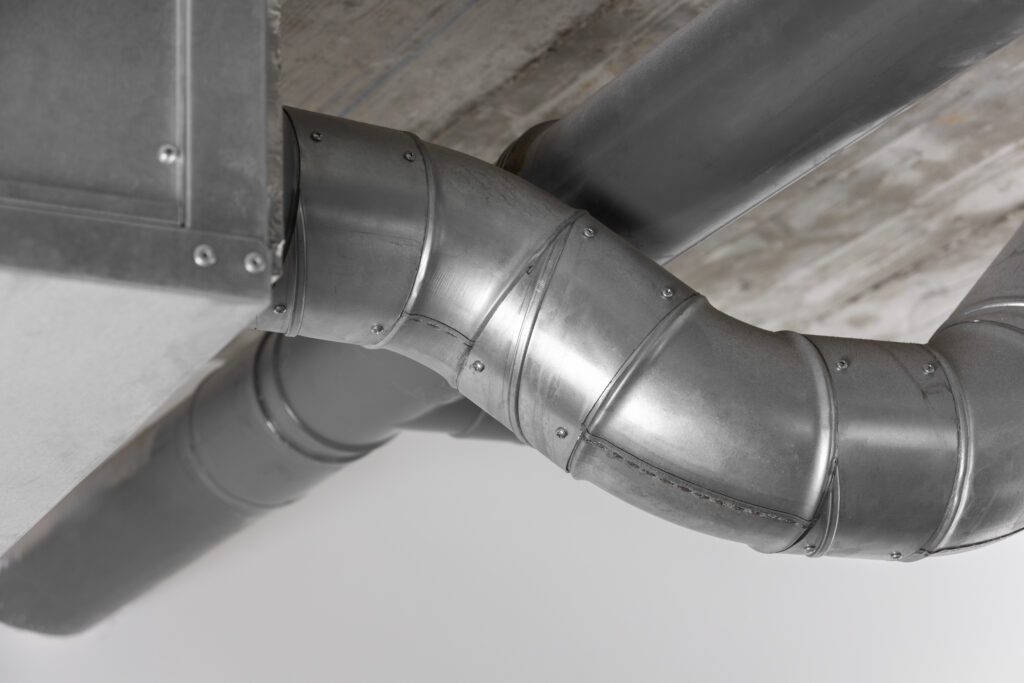
If your business uses dust extraction, fume control, or air filtration systems, you may be wondering: is LEV testing actually a legal requirement? The short answer is yes — in most workplaces across the UK, Local Exhaust Ventilation (LEV) testing is required by law.

Under the Control of Substances Hazardous to Health Regulations 2002 (COSHH), employers must ensure that any LEV system designed to control exposure to hazardous substances is thoroughly examined and tested at least every 14 months. This legal duty helps protect employees from harmful dust, fumes, vapours, and other airborne contaminants that can cause serious long-term health problems.

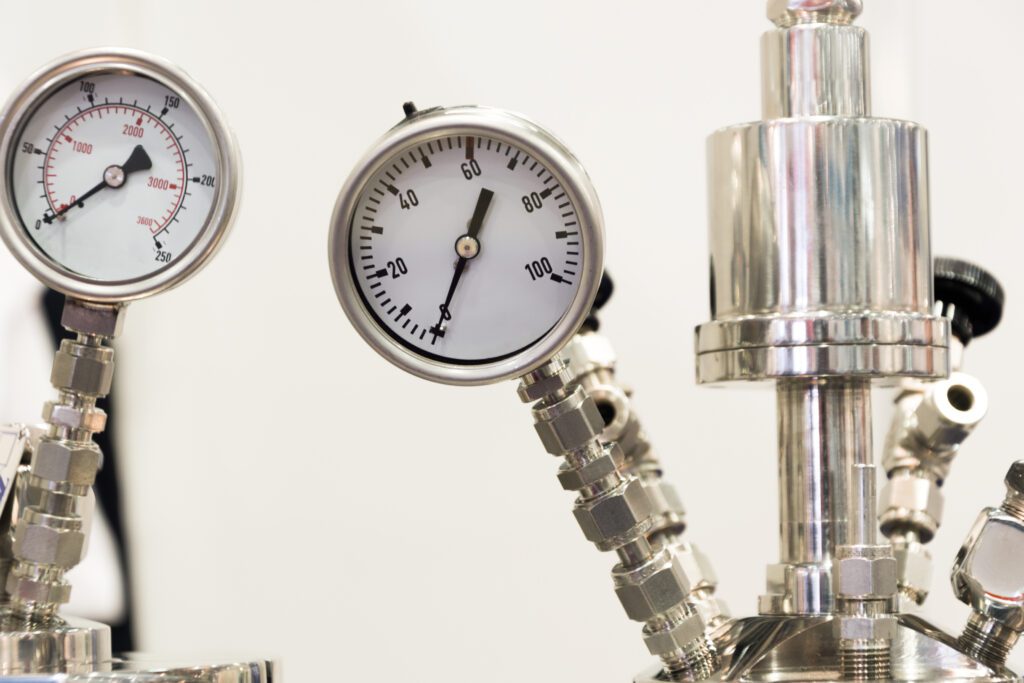
A Complete Guide To PSSR2000 And Pressure Systems Examinations

PSSR 2000 places strict legal duties on anyone responsible for pressure systems — but compliance is often misunderstood.
This complete guide explains what the Pressure Systems Safety Regulations 2000 require, how pressure systems examinations work, who is responsible, and how written schemes and statutory inspections help keep people safe and organisations compliant.

What Happens If You Miss a Statutory Inspection?

Missing a statutory inspection can put people at risk and leave your business legally exposed.
This guide explains what happens if statutory inspections are missed, the potential legal and insurance consequences, and what duty holders should do to regain compliance. Learn how overdue LOLER, PUWER, PSSR, and LEV inspections are handled — and how to prevent issues before they escalate.

PUWER vs LOLER: What’s The Difference, And When Do They Apply?

PUWER and LOLER are often mentioned together — but they’re not the same.
This guide breaks down the key differences between PUWER and LOLER, explains when each regulation applies, and clarifies inspection and examination requirements. Learn how the two regulations work together, where employers commonly get caught out, and what you need to do to stay compliant and protect people at work.

What Is A Thorough Examination Under LOLER98?

A thorough examination under LOLER is a legal requirement for lifting equipment — but it’s often misunderstood.
This article explains what a LOLER thorough examination involves, who is responsible, how often it must be carried out, and what duty holders need to know to stay compliant and keep lifting operations safe.

The Misconceptions Around “Insurance Examinations”…

Many organisations assume that an “insurance inspection” automatically means full legal compliance — but this is one of the most common and costly misunderstandings in workplace safety management.

In the UK, statutory examinations for pressure systems and lifting equipment are governed by legislation such as the Pressure Systems Safety Regulations 2000 (PSSR) and the Lifting Operations and Lifting Equipment Regulations 1998 (LOLER), both enforced by the Health and Safety Executive (HSE). While insurance providers often arrange inspections as part of engineering policies, these visits do not always cover every legal duty placed on the “user” or “owner” of equipment.

In this article, we explore the most common misconceptions around insurance examinations, including the difference between maintenance and statutory inspection, who the “Competent Person” really works for, and why ultimate compliance responsibility cannot be delegated to insurers.

If you rely on insurance examinations to demonstrate compliance, this guide will help you understand what they do — and, more importantly, what they don’t do — so you can close compliance gaps, reduce liability, and protect your organisation.

Read the full article to clarify the legal realities behind insurance examinations and statutory compliance in the UK.
5 Common Defects Found On Fork Lift Trucks

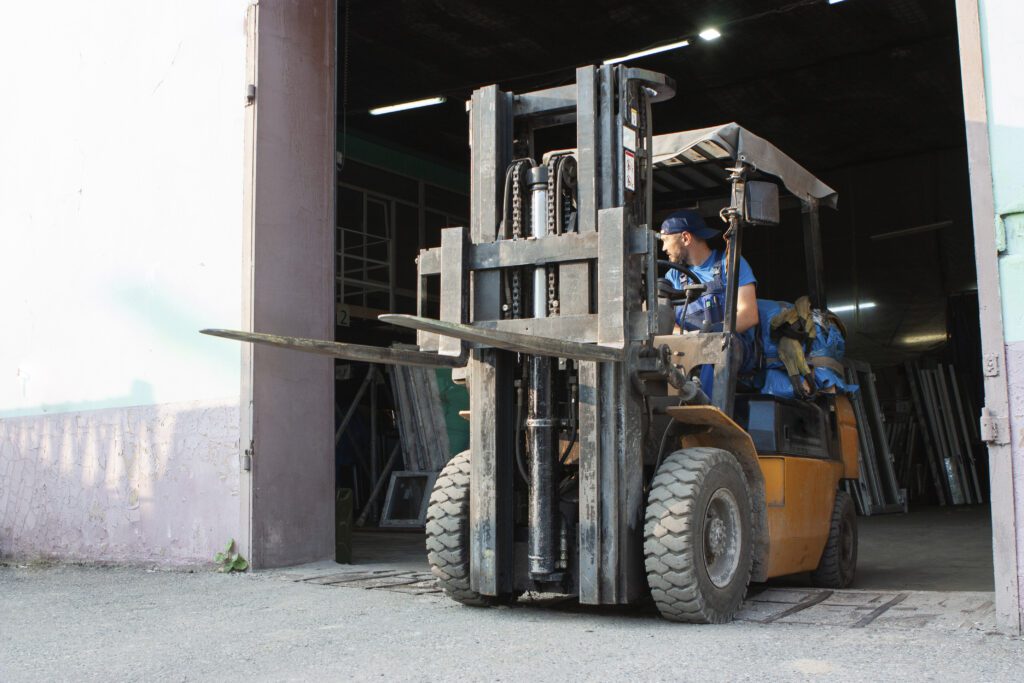
Fork lift trucks are essential to safe and efficient warehouse operations — but they are also one of the most commonly cited pieces of equipment during workplace inspections. Under UK safety legislation such as the Provision and Use of Work Equipment Regulations 1998 (PUWER) and guidance from the Health and Safety Executive (HSE), employers have a legal duty to ensure lift trucks are properly maintained and safe to operate.

In this article, we explore the 5 most common defects found on fork lift trucks, including brake issues, worn tyres, hydraulic leaks, damaged forks, and faulty warning systems. These defects not only increase the risk of accidents and downtime, but can also lead to enforcement action and costly repairs if left unaddressed.

Whether you manage a warehouse, distribution centre, or manufacturing facility, understanding these common fork lift truck defects will help you improve safety, maintain compliance, and reduce operational risk.

Read the full guide to learn how to identify and prevent the most frequent fork lift truck defects before they become serious safety issues.