
Category Archives: Blog

Your blog category

How Statutory Inspections Protect Directors Personally

Company directors have clear legal duties under UK health and safety law — and failure to comply can result in personal prosecution, unlimited fines, disqualification, or even imprisonment. Robust statutory inspections under Lifting Operations and Lifting Equipment Regulations 1998 (LOLER), Provision and Use of Work Equipment Regulations 1998 (PUWER), Pressure Systems Safety Regulations 2000 (PSSR), and LEV examinations required by Control of Substances Hazardous to Health Regulations 2002 (COSHH) are not just operational requirements — they are essential safeguards for directors themselves.

From lifting equipment and machinery safety to pressure systems and local exhaust ventilation testing, these statutory regimes create documented evidence of due diligence, competent oversight, and proactive risk management. In the event of an incident, investigators will examine whether inspections were completed on time, defects were addressed promptly, and compliance was reviewed at board level.

This guide explains how structured statutory inspection programmes reduce personal liability, strengthen corporate governance, and provide directors with defensible protection against enforcement action. If you are a company director, senior manager, or board member, understanding your responsibilities under LOLER, PUWER, PSSR, and COSHH is critical to protecting both your organisation — and your personal position.

PUWER Non-Compliance: Real Enforcement Examples

PUWER breaches are one of the most common causes of HSE enforcement action in the UK. From unguarded machinery and inadequate maintenance to missing training records, real cases show how small compliance gaps can lead to serious injuries, substantial fines, and lasting reputational damage.

In this article, we examine real enforcement examples, explain where businesses went wrong, and outline practical steps you can take to protect your workforce and demonstrate compliance. If you’re responsible for work equipment safety, this is essential reading.

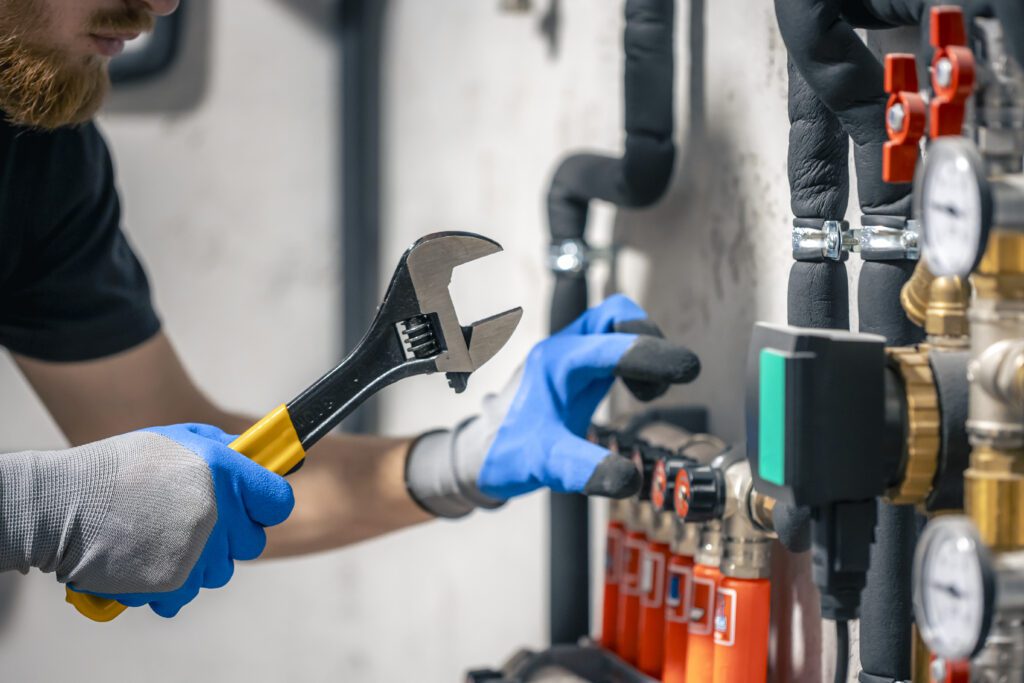
PUWER Machinery Risk Assessments: The Complete Guide to Compliance, Safety & Legal Protection (UK)

PUWER Machinery Risk Assessments (UK) – Ensure Legal Compliance & Reduce Risk

A PUWER machinery risk assessment is a legal requirement under the Provision and Use of Work Equipment Regulations 1998. If your business operates machinery, you must ensure equipment is safe, properly maintained, adequately guarded, and used by trained personnel.

Our in-depth guide explains what PUWER requires, how to carry out a compliant machinery risk assessment, and how to protect your organisation from enforcement action by the Health and Safety Executive.

In this article you’ll learn:

What a PUWER machinery risk assessment includes

When assessments must be completed

Common compliance failures businesses make

How to demonstrate competence and due diligence

How PUWER links to the Health and Safety at Work etc. Act 1974

Whether you operate manufacturing equipment, production lines, CNC machinery, or plant equipment, this guide will help you understand your legal duties and reduce machinery-related risk.

Read the full guide to ensure your business remains compliant, protected, and inspection-ready.

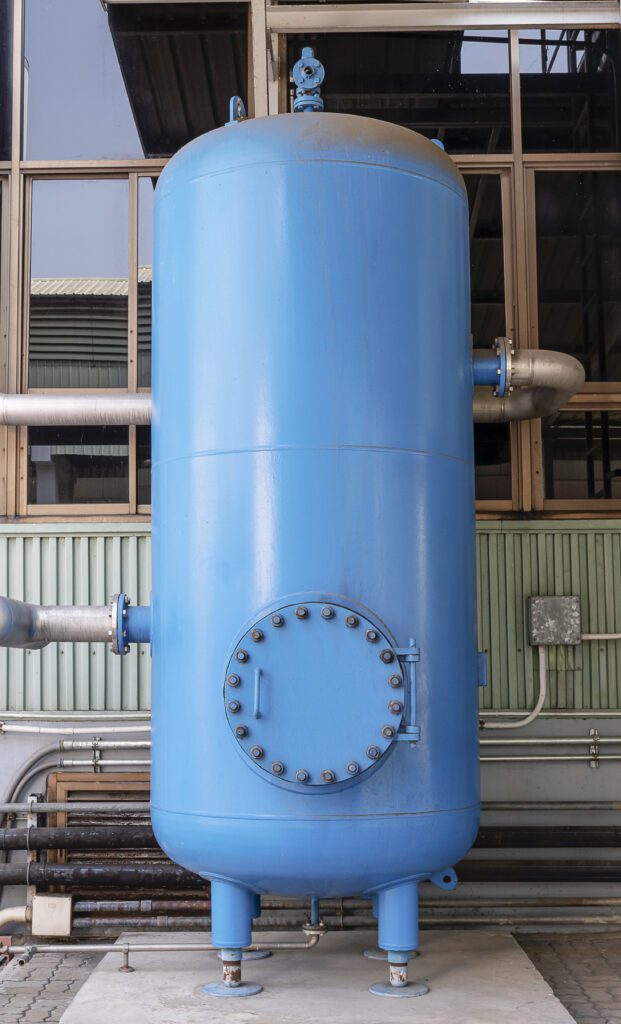
Most Common PSSR Defects in Air Receiver Systems

Air receiver systems are legally regulated in the UK under the Pressure Systems Safety Regulations 2000 (PSSR 2000), yet many organisations still overlook critical compliance requirements before startup. From missing Written Schemes of Examination (WSEs) to incorrectly set pressure relief valves and undocumented system modifications, PSSR defects can expose duty holders to enforcement action from the Health and Safety Executive (HSE), costly downtime, and serious safety risks.

In this guide, we break down the most common PSSR defects in UK air receiver systems, explain why they occur, and outline practical steps to ensure full regulatory compliance. Whether you’re commissioning a new compressed air system or reviewing an existing installation, this article will help you reduce risk, meet statutory obligations, and protect your workforce.

Read the full guide to ensure your air receiver system meets PSSR 2000 requirements.

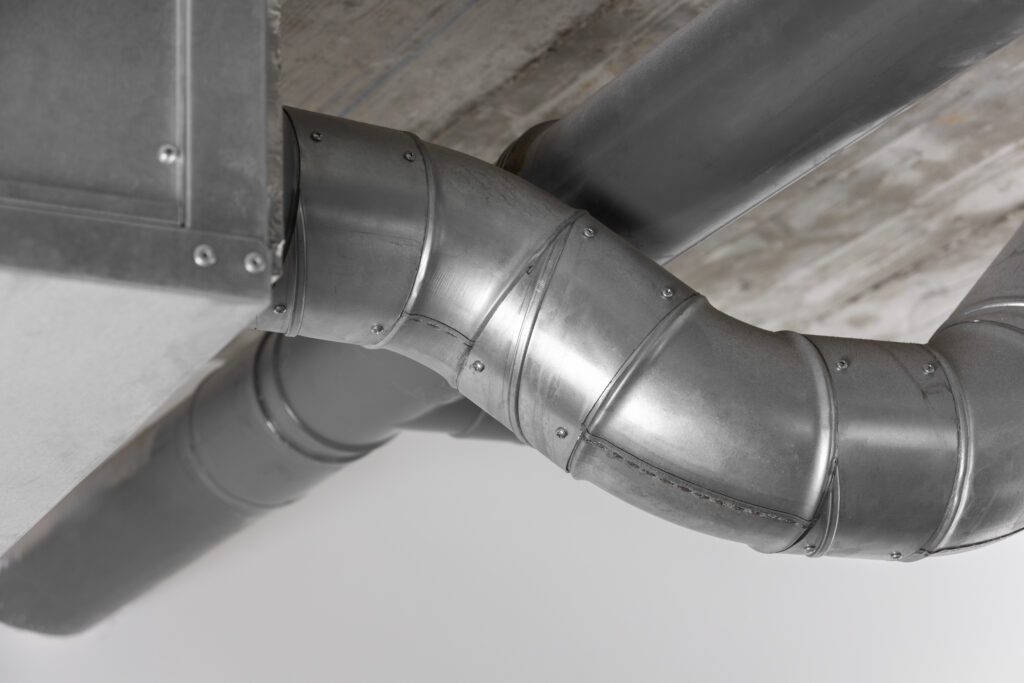
Is LEV Testing A Legal Requirement?

If your business uses dust extraction, fume control, or air filtration systems, you may be wondering: is LEV testing actually a legal requirement? The short answer is yes — in most workplaces across the UK, Local Exhaust Ventilation (LEV) testing is required by law.

Under the Control of Substances Hazardous to Health Regulations 2002 (COSHH), employers must ensure that any LEV system designed to control exposure to hazardous substances is thoroughly examined and tested at least every 14 months. This legal duty helps protect employees from harmful dust, fumes, vapours, and other airborne contaminants that can cause serious long-term health problems.

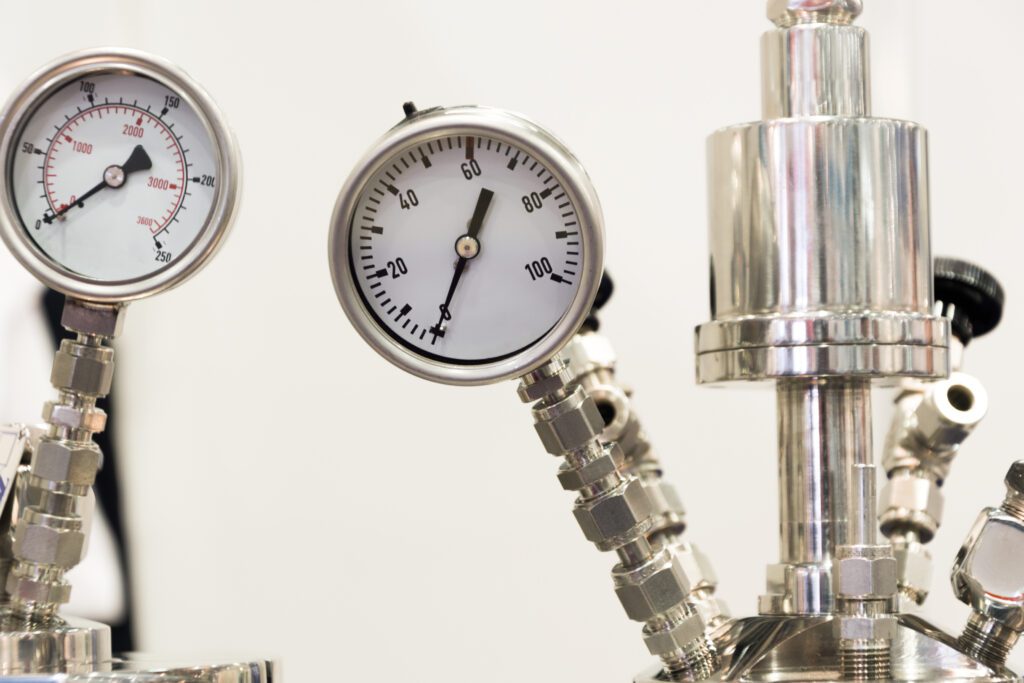
A Complete Guide To PSSR2000 And Pressure Systems Examinations

PSSR 2000 places strict legal duties on anyone responsible for pressure systems — but compliance is often misunderstood.
This complete guide explains what the Pressure Systems Safety Regulations 2000 require, how pressure systems examinations work, who is responsible, and how written schemes and statutory inspections help keep people safe and organisations compliant.

What Happens If You Miss a Statutory Inspection?

Missing a statutory inspection can put people at risk and leave your business legally exposed.
This guide explains what happens if statutory inspections are missed, the potential legal and insurance consequences, and what duty holders should do to regain compliance. Learn how overdue LOLER, PUWER, PSSR, and LEV inspections are handled — and how to prevent issues before they escalate.

PUWER vs LOLER: What’s The Difference, And When Do They Apply?

PUWER and LOLER are often mentioned together — but they’re not the same.
This guide breaks down the key differences between PUWER and LOLER, explains when each regulation applies, and clarifies inspection and examination requirements. Learn how the two regulations work together, where employers commonly get caught out, and what you need to do to stay compliant and protect people at work.

What Is A Thorough Examination Under LOLER98?

A thorough examination under LOLER is a legal requirement for lifting equipment — but it’s often misunderstood.
This article explains what a LOLER thorough examination involves, who is responsible, how often it must be carried out, and what duty holders need to know to stay compliant and keep lifting operations safe.