
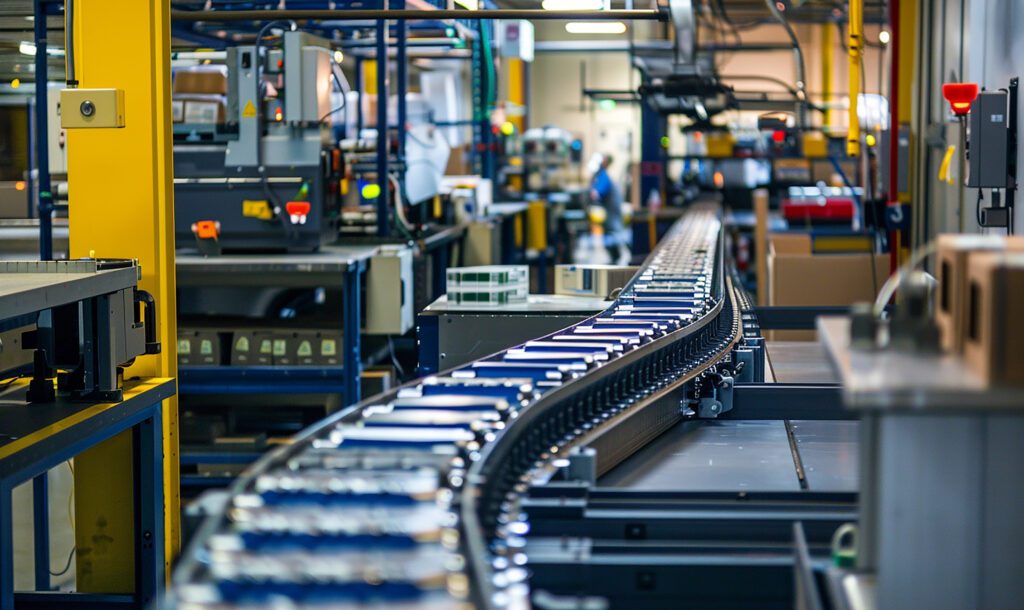
PUWER Machinery Risk Assessment
Need your Work Equipment assessed in line with PUWER98 regulations? Get a quote today to ensure you remain compliant.

What Is a PUWER Machinery Risk Assessment?
A PUWER machinery risk assessment is a structured evaluation of risks associated with work equipment. It identifies hazards, assesses risk levels, and determines appropriate control measures to reduce risk to as low as reasonably practicable (ALARP).
It is not a generic workplace risk assessment. It specifically focuses on:
-
Mechanical hazards
-
Control systems
-
Safeguarding measures
-
Maintenance access
-
Emergency stop functionality
-
Operator competence
The assessment must be suitable and sufficient, meaning it should reflect real-world usage — not simply manufacturer documentation.
Why PUWER Machinery Risk Assessments Are Critical
1. Legal Compliance
Failure to comply with PUWER can result in:
-
Unlimited fines
-
Enforcement notices
-
Prosecution of directors
-
Corporate manslaughter investigations (in fatal cases)
Demonstrable risk assessment is often the first document requested following an incident.
2. Accident Prevention
Common machinery-related injuries include:
-
Entanglement in rotating parts
-
Crushing and trapping
-
Amputation from cutting tools
-
Impact from ejected materials
-
Electrical shock
Many of these incidents occur due to missing guards, bypassed interlocks, or poorly maintained equipment — all issues addressed under PUWER.
3. Insurance & Civil Claims Defence
Insurers and solicitors will review:
-
Risk assessment documentation
-
Inspection records
-
Maintenance logs
-
Training records
Incomplete or outdated PUWER assessments significantly weaken a defence in civil litigation.
4. Business Continuity & Productivity
Effective machinery risk management leads to:
-
Reduced downtime
-
Fewer emergency repairs
-
Improved staff morale
-
Increased operational reliability
Compliance is not just regulatory — it’s operationally strategic.
What Should a PUWER Machinery Risk Assessment Include?
A robust assessment typically covers the following:
Equipment Identification
-
Machine type and function
-
Manufacturer and model
-
Serial number
-
Installation date
-
Location within site
Hazard Identification
-
Mechanical hazards (shearing, drawing-in, crushing)
-
Electrical risks
-
Control system reliability
-
Hydraulic or pneumatic failures
-
Access for cleaning and maintenance
Safeguarding Review
-
Fixed and interlocked guards
-
Light curtains
-
Pressure-sensitive mats
-
Two-hand control systems
-
Emergency stop devices
Control Systems & Functional Safety
-
Stop categories
-
Fail-safe design
-
Interlock reliability
-
Prevention of unexpected start-up
Training & Competence
-
Operator training records
-
Authorisation systems
-
Maintenance personnel competence
Maintenance & Inspection
-
Planned preventative maintenance (PPM) schedules
-
Inspection frequency
-
Record-keeping standards
Risk Rating & Action Plan
-
Severity and likelihood assessment
-
Prioritised corrective actions
-
Target completion dates
-
Verification process
When Should a PUWER Risk Assessment Be Carried Out?
A PUWER machinery risk assessment should be completed:
-
Upon installation of new machinery
-
After modification or refurbishment
-
If machinery is relocated
-
Following an accident or near miss
-
When work processes change
-
As part of scheduled compliance reviews
Best practice is annual review, even if no major changes occur.
PUWER and Older / Legacy Machinery
Many enforcement cases involve older equipment installed before modern safeguarding standards.
Important: CE or UKCA marking does not guarantee ongoing PUWER compliance. Employers must ensure machinery remains safe throughout its lifecycle.
This may require:
-
Retrofitting guards
-
Upgrading emergency stop systems
-
Improving interlocks
-
Addressing access and cleaning risks
There are no “grandfather rights” under PUWER.
Common PUWER Compliance Failures Identified by Regulators
Based on enforcement trends, common failings include:
-
Missing or damaged guards
-
Defeated safety interlocks
-
Inadequate risk assessments
-
Poor documentation
-
Lack of formal inspection regime
-
Untrained or unauthorised operators
These are preventable with structured assessment and ongoing monitoring.
Who Is Competent to Conduct a PUWER Machinery Risk Assessment?
PUWER requires assessments to be carried out by a competent person — someone with:
-
Practical knowledge of machinery hazards
-
Understanding of PUWER legal duties
-
Experience in risk assessment methodology
-
Awareness of relevant standards and safeguarding principles
For complex production environments, many organisations appoint independent machinery safety specialists to ensure objectivity and defensibility.
Step-by-Step PUWER Machinery Risk Assessment Process
A structured approach typically follows these stages:
-
Define scope and machinery inventory
-
Review existing documentation
-
Conduct physical inspection
-
Observe machinery in operation
-
Interview operators and maintenance staff
-
Evaluate risks using a consistent matrix
-
Identify engineering control measures (preferred)
-
Document findings clearly and defensibly
-
Implement corrective actions
-
Verify completion and retain records
Documentation should be clear enough to withstand regulatory scrutiny.
Conclusion: Why PUWER Machinery Risk Assessments Matter
PUWER machinery risk assessments are essential for:
-
Legal compliance
-
Injury prevention
-
Director protection
-
Insurance defence
-
Operational resilience
A properly conducted, documented, and reviewed assessment protects both people and business continuity.
If your organisation operates machinery, proactive PUWER compliance is not just regulatory — it is responsible leadership.
Disclaimer: This article provides general guidance on UK machinery safety law. It does not constitute legal advice. Always consult a competent health and safety professional regarding your specific operational circumstances.
PUWER Machinery Risk Assessment FAQ's
A PUWER machinery risk assessment is a structured evaluation of work equipment to ensure it complies with the Provision and Use of Work Equipment Regulations 1998. It identifies hazards, assesses risk levels, and specifies control measures and actions required to reduce risks to employees and others.
Yes. Under PUWER, employers are legally required to ensure that work equipment is safe for use, properly maintained, and inspected where necessary. Failing to carry out suitable and sufficient assessments can result in enforcement action by the Health and Safety Executive or local authorities.
PUWER applies to almost all work equipment, including:
-
Manufacturing machinery
-
CNC machines
-
Presses and cutting equipment
-
Forklifts and lifting equipment – also fall under LOLER98 regulations
-
Construction plant
-
Agricultural machinery
-
Automated production lines
If equipment is used at work, PUWER likely applies.
There is no fixed timeframe in the legislation. However, assessments should be reviewed:
-
When new machinery is installed
-
After modification or relocation
-
Following an accident or near miss
-
When processes change
-
Periodically as part of compliance audits
Many businesses review assessments annually as best practice.
No. CE or UKCA marking confirms manufacturer conformity at the time of supply. Employers still have ongoing duties under PUWER and the Health and Safety at Work etc. Act 1974 to ensure machinery remains safe throughout its lifecycle.
The employer is legally responsible. However, the assessment must be completed by a competent person with appropriate knowledge of machinery safety, risk assessment methodology, and UK health and safety law.
Non-compliance can result in:
-
Improvement or Prohibition Notices
-
Unlimited fines
-
Criminal prosecution
-
Director liability in serious cases
-
Increased insurance premiums
-
Civil compensation claims
Demonstrable risk assessments are often critical during investigations.
Common issues identified during inspections include:
-
Missing or damaged machine guards
-
Defeated safety interlocks
-
Inadequate emergency stops
-
Lack of documented inspections
-
Insufficient operator training
-
Outdated or generic risk assessments
Regular reviews help prevent these failings.
Yes. A general risk assessment considers overall workplace hazards. A PUWER machinery risk assessment specifically evaluates risks associated with work equipment and machinery safety systems.
