LEV & Dust Extraction Inspection
Need your Local Exhaust Ventilation or Dust Extraction System examined in line with COSHH2002? Get a quote today to ensure you remain compliant.
Is LEV Testing A Legal Requirement?
If your business uses dust extraction, fume extraction, or any form of Local Exhaust Ventilation (LEV), you may be asking: is LEV testing a legal requirement in the UK?
The clear answer is yes — in most cases, LEV testing is a statutory requirement under UK health and safety law. Employers have a legal duty to ensure that systems designed to control exposure to hazardous substances are properly maintained, thoroughly examined, and tested at regular intervals.
This guide explains the legal requirements, inspection frequency, employer responsibilities, and what compliance looks like in practice.
What Is LEV Testing?
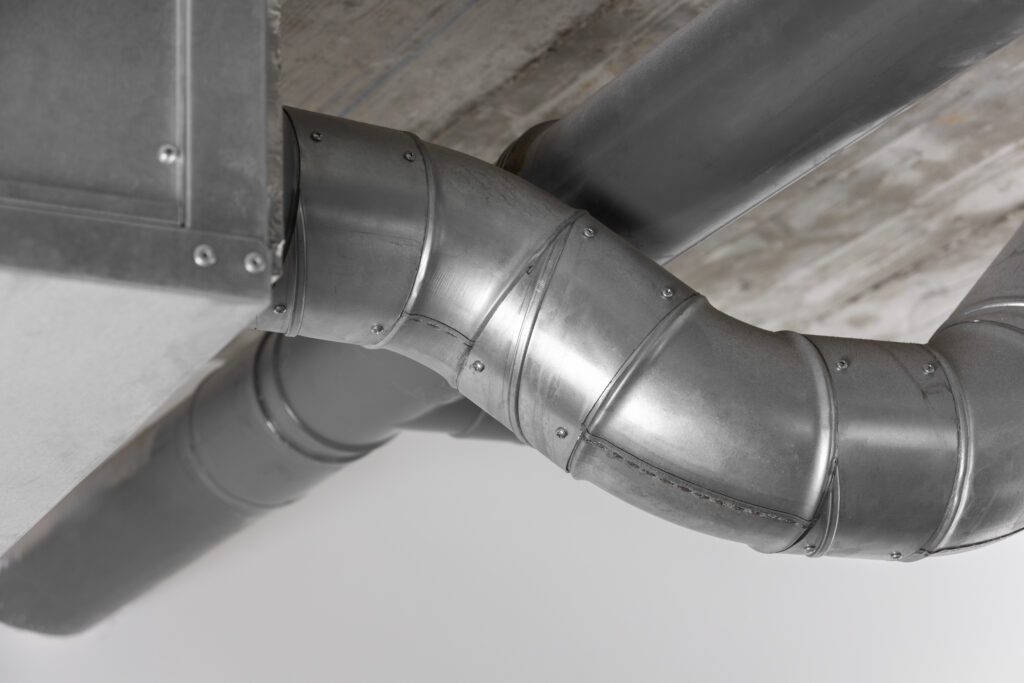
Local Exhaust Ventilation (LEV) systems are engineered controls designed to remove hazardous airborne contaminants — such as dust, fumes, vapours, and mists — at source before they can be inhaled by workers.
LEV testing refers to the Thorough Examination and Test (TExT) of the system to confirm it is:
-
Capturing contaminants effectively
-
Operating at the correct airflow rates
-
Properly maintained and fit for purpose
-
Compliant with relevant legislation
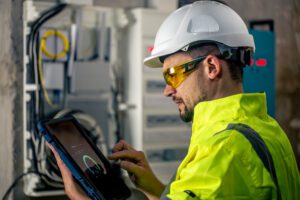
Testing is carried out by a competent person with appropriate knowledge, training, and experience in LEV systems.
The Legal Framework: COSHH Regulations
LEV testing requirements fall under the Control of Substances Hazardous to Health Regulations 2002 (COSHH).
Regulation 9 of COSHH states that employers must:
Ensure that control measures (including LEV systems) are maintained in an efficient state, in efficient working order, in good repair, and in a clean condition.
More specifically, LEV systems must be thoroughly examined and tested at least every 14 months (in most cases).
The enforcing authority for COSHH compliance is the Health and Safety Executive (HSE).
Failure to comply can result in:
-
Improvement or prohibition notices
-
Significant fines
-
Prosecution
-
Reputational damage
How Often Must LEV Testing Be Carried Out?
In general:
-
Every 14 months for most LEV systems
-
More frequently for higher-risk environments (e.g. pharmaceutical containment or specialised processes) mentioned within table 18 in HSG 258 Controlling Airborne Contaminants At Work and COSHH Schedule 4
The exact frequency should be determined by a risk assessment, taking into account:
-
The type of hazardous substance
-
The level of exposure risk
-
Manufacturer guidance
-
Industry best practice
Employers must also keep detailed records of each examination for at least five years.
Who Is Responsible for LEV Compliance?
The legal responsibility lies with the employer or duty holder.
Even if you outsource testing to a contractor, you remain responsible for ensuring:
-
The examiner is competent
-
Reports are reviewed
-
Any defects are remedied promptly
-
Records are retained
Choosing a qualified LEV testing provider with demonstrable expertise and experience is essential for compliance.
What Happens During an LEV Thorough Examination?
A compliant LEV test typically includes:
-
Visual inspection of hoods, ducting, and filters
-
Airflow measurements and pressure checks
-
Smoke testing to assess capture efficiency
-
Fan performance evaluation
-
System condition assessment
-
Identification of defects or inefficiencies
A formal written report should include:
-
System description and identification
-
Test results
-
Benchmark performance data
-
Recommendations for corrective action
-
Date of next required test
Why LEV Testing Matters Beyond Legal Compliance
While LEV testing is a legal requirement, its importance extends far beyond avoiding fines.
Effective LEV systems help prevent:
-
Occupational asthma
-
Silicosis
-
Metal fume fever
-
Long-term respiratory disease
-
Exposure to carcinogenic substances
Poorly maintained LEV systems may give a false sense of security — appearing operational while failing to adequately control exposure.
Regular testing protects your workforce, strengthens your safety culture, and demonstrates proactive risk management.
Industries Where LEV Testing Is Commonly Required
LEV systems are widely used in:
-
Manufacturing and fabrication
-
Woodworking and joinery
-
Welding and metalwork
-
Laboratories
-
Chemical processing
-
Pharmaceuticals
-
Food production
If your processes generate airborne contaminants, LEV testing is very likely mandatory.
Demonstrating Compliance to Inspectors
If inspected by the HSE, you may be asked to provide:
-
Evidence of your latest LEV test report
-
Records of previous examinations
-
Proof of remedial actions
-
Risk assessments relating to hazardous substances
Incomplete documentation is one of the most common compliance failures.
Final Verdict: Is LEV Testing a Legal Requirement?
Yes — LEV testing is a legal requirement under UK law where systems are used to control hazardous substances.
Regular Thorough Examination and Testing is not optional. It is a statutory duty designed to protect worker health and ensure that control measures remain effective.
If your organisation operates LEV systems and you are unsure of your compliance status, now is the time to review your documentation, schedule testing if required, and ensure your systems meet current legal standards.
LEV Testing FAQ's
Yes. LEV (Local Exhaust Ventilation) testing is a legal requirement under the Control of Substances Hazardous to Health Regulations 2002 (COSHH). Employers must ensure that LEV systems used to control hazardous substances are thoroughly examined and tested at least every 14 months in most cases. This duty is enforced by the Health and Safety Executive (HSE).
LEV testing is covered under Regulation 9 of the Control of Substances Hazardous to Health Regulations 2002 (COSHH). This regulation requires employers to maintain control measures in efficient working order and ensure they are regularly examined and tested.
The legal responsibility lies with the employer or duty holder. Even if testing is outsourced to a specialist contractor, the employer remains accountable for ensuring:
-
The examiner is competent
-
Testing is completed within required timeframes
-
Any defects are corrected
-
Records are retained for at least five years
A compliant LEV test typically includes:
-
Visual inspection of hoods, ductwork, fans, and filters
-
Airflow and pressure measurements
-
Assessment of capture efficiency
-
Identification of faults or reduced performance
-
A detailed written report with recommendations
The report should clearly state whether the system is achieving adequate control.
Failure to comply with COSHH requirements can result in enforcement action from the HSE, including:
-
Improvement or prohibition notices
-
Unlimited fines
-
Prosecution
-
Increased liability in the event of occupational illness claims
Non-compliance can also invalidate insurance policies and damage your organisation’s reputation.
No. Routine maintenance ensures day-to-day functionality, while a Thorough Examination and Test is a formal statutory assessment of system performance and legal compliance. Both are required to ensure worker safety and regulatory compliance.

A really good blog and me back again.