
Power Press Inspection
Need your Power Press inspected in line with PUWER98 regulations? Get a quote today to ensure you remain compliant.

Need your Power Press inspected in line with PUWER98 regulations? Get a quote today to ensure you remain compliant.
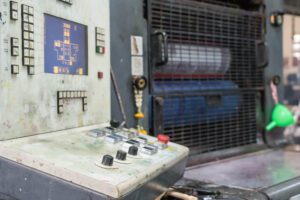
Power presses are industrial machines used to shape, cut, form, or assemble materials—most commonly metal—by applying significant force through a controlled pressing action. They operate using mechanical, hydraulic, or pneumatic power and are fitted with tools such as dies and punches to carry out processes including stamping, blanking, bending, and forming. Power presses are designed for high accuracy and repeatability, making them essential for mass production and precision manufacturing. Due to the forces involved, they are subject to strict safety controls, including guarding, interlocks, and regular inspection.
In the metalworking and manufacturing industries, power presses are widely used to produce components for automotive, aerospace, construction, and general engineering sectors. They are essential for creating body panels, brackets, fasteners, and structural parts with consistent quality and high production rates. Mechanical power presses are commonly used for high-speed operations, while hydraulic presses are preferred where greater control and variable force are required, such as deep drawing or forming thicker materials.
Power presses are also used in the electrical and electronics industries, where they manufacture components such as terminals, connectors, switch parts, and enclosures. Their precision allows for the efficient production of small, detailed metal parts that meet tight tolerances. In appliance manufacturing, power presses are used to form casings, panels, and internal components for products such as washing machines, ovens, and refrigerators.
Beyond metal, power presses are used in industries working with plastics, rubber, and composite materials. They are employed in moulding, laminating, and bonding processes where controlled pressure is required. Across all these industries, power presses play a vital role in efficient large-scale production, while their safe operation depends on proper training, maintenance, and compliance with relevant health and safety regulations.
Here’s a detailed and professional breakdown of what is covered during an inspection of a power press, in accordance with the Provision and Use of Work Equipment Regulations 1998 (PUWER 98) — particularly Regulations 32–35, which specifically apply to power presses and associated guards.
The inspection aims to ensure that the press and all its safety systems are safe, fully functional, and compliant before and during operation.
 Identification and Documentation
Verify the manufacturer’s plate is present and legible, showing:
Confirm the machine is registered under PUWER and has:
 General Condition
 Guards and Safety Devices
Under PUWER, guards and safety devices must prevent access to dangerous parts or stop motion before access is possible.
Inspect all safety components including:
Fixed Guards
Interlocked Guards
Confirm all interlocked guards (e.g., front and side access doors) prevent operation when open.
Photoelectric or Light Curtain Devices
Two-Hand Control Systems
Other Safeguards
 Clutch, Brake, and Flywheel Systems
 Electrical and Control Systems
Inspect the main isolator for accessibility, labeling, and lock-off capability.
Check emergency stop buttons:
 Mechanical and Structural Condition
Inspect frame, bed, and slide for:
 Drive System
 Pneumatic or Hydraulic Systems
 Operating Controls
Check all controls are clearly labeled, colour-coded, and function correctly.
Verify:
 Safety Trip and Stop Tests
 Noise and Vibration
 Tooling and Setting
 Lubrication and Maintenance
 Documentation and Reporting
After the inspection, the competent person will issue a PUWER Plant Inspection Report. This must include:
If any serious defects are found that pose immediate danger, they must be reported to the duty holder and the enforcing authority (e.g., HSE) immediately.
 Summary
An Power Press inspection ensures that the work equipment are safe, compliant, and fit for use. It helps prevent accidents caused by structural damage, insecure fastening and fixings, or malfunctioning safety mechanisms. While it does not replace regular maintenance, PUWER and work equipment inspections are a crucial legal requirement for keeping your equipment safe and avoiding costly breakdowns or incidents.
Yes. Power presses must be inspected in accordance with the Provision and Use of Work Equipment Regulations 1998 (PUWER 98). Due to the high risk associated with pressing operations, there are specific inspection requirements for power presses and their safety devices.
A Thorough Examination is a detailed safety inspection carried out by a competent person to ensure the press and its protective devices remain safe for use. It includes examination and testing of safety-critical components, particularly guarding and interlocking systems.
Inspection requirements apply to:
Mechanical power presses
Hydraulic presses
Pneumatic presses
Fly presses (where powered)
Press brakes
Punch presses
Stamping and forming presses
Any powered press used to work cold metal falls within the scope.
A formal inspection typically includes:
Structural frame integrity checks
Examination of slide and crank mechanisms
Clutch and brake system testing
Inspection of flywheel and drive systems
Guarding and interlock function testing
Emergency stop verification
Electrical control system checks
Assessment of fixed and movable guards
Particular attention is given to safeguarding systems designed to prevent hand injury.
Yes. Safety devices such as light curtains, two-hand controls, interlocked guards, and pressure-sensitive mats must be inspected at least every six months under PUWER. These inspections must be documented.
The examination must be carried out by a competent person with appropriate technical knowledge and practical experience of power press safety systems. Due to the high-risk nature of the equipment, this is typically an independent specialist engineer.
Common issues include:
Worn clutch and brake systems
Ineffective stopping time
Misaligned guards
Bypassed safety interlocks
Cracked frames or worn bearings
Faulty two-hand control systems
Excessive vibration
These defects significantly increase the risk of crushing or amputation injuries.
Yes. If a power press is:
Installed in a new location
Substantially repaired
Modified
Involved in an incident
It must be re-examined before being returned to service.
No. Maintenance ensures the press operates efficiently. A Thorough Examination focuses specifically on safety systems and legal compliance under the Provision and Use of Work Equipment Regulations 1998. Both are required.
Power presses generate extremely high force and operate at speed. Without effective safeguarding, operators are at risk of serious hand and limb injuries. This is why PUWER includes specific additional inspection requirements for press equipment.
Regular PUWER98 inspections are a legal requirement in the UK for all work equipment used at a place work, and for good reason. These inspections ensure that equipment, such as roller shutter doors, pallet trucks, storage racking, hand tools, power tools and industrial machinery are safe to use, and fit for purpose. The nature and use of work equipment means that equipment failure can lead to catastrophic consequences, including serious injury, fatalities, and significant damage to property. By carrying out regular, scheduled inspections by a competent person, businesses can identify wear and tear, structural damage, or faulty mechanisms before they result in an incident.
 Legal Compliance and Risk Reduction: The most obvious advantage is staying compliant with health and safety law. Compliance avoids potential legal action, fines, or even prosecution. More importantly, it drastically reduces the risk of workplace accidents caused by lifting equipment failure.
 Improved Safety Culture: Regular inspections foster a proactive safety culture within the organisation. Employees are more likely to trust equipment and feel safe in their work environment when they know thorough checks are in place.
 Extended Equipment Lifespan: Regularly maintained and inspected equipment typically lasts longer. Examinations can identify early signs of damage or fatigue, allowing for preventative maintenance that avoids costly replacements or repairs.
 Insurance and Liability Protection: Insurers may require evidence of PUWER compliance in the event of an incident. Without valid inspection records, insurance claims could be denied or reduced, leaving the business liable for damages.
 Operational Efficiency: Detecting potential issues before they lead to equipment failure helps prevent unscheduled downtime. This keeps operations running smoothly and avoids the knock-on effects of delayed projects or interrupted workflows.
 Legal and Financial Consequences: Failing to comply with PUWER can result in enforcement action from the Health and Safety Executive (HSE), including improvement notices, prohibition notices, fines, or even prosecution. Legal battles and associated costs can be financially crippling.
 Increased Risk of Accidents: Equipment that hasn’t been inspected is far more likely to fail. Such failures can lead to injuries or fatalities, particularly in high-risk environments like construction or manufacturing. Beyond the human cost, the reputational damage to a business can be severe and long-lasting.
 Higher Repair and Replacement Costs: Neglecting inspections can allow minor issues to develop into major faults. These may require costly emergency repairs or complete equipment replacement, expenses that could have been avoided through routine examinations.
 Loss of Business and Clients: Clients often expect their contractors or suppliers to uphold strict safety standards. A failure to meet legal obligations like PUWER can result in lost contracts or blacklisting from future work, especially in regulated industries.
 Increased Insurance Premiums or Invalidated Coverage: As mentioned, insurers may increase premiums or deny coverage entirely if a business can't provide evidence of up-to-date PUWER compliance, placing a heavier financial burden on operations.
PUWER work equipment inspections aren’t just a box-ticking exercise - they are an essential component of a responsible, safety-first approach to using work equipment. The benefits of compliance are wide-ranging, from protecting human life to reducing costs and maintaining operational integrity. Conversely, the risks of neglecting these inspections can be devastating on multiple levels.
 Machine Tools
 Power Presses Portable Electrical Equipment Hand-Operated Tools (Powered or Manual)
 Access Equipment
 Conveyor Systems
 Construction Plant and Machinery
 Welding Equipment
 Fixed Workshop Machinery
 Industrial Cleaning Equipment
 Roller Shutter Doors
 Storage Racking