
PUWER Risk Assessment
Need your work equipment or machinery line assessed for compliance with PUWER98 regulations? Get a quote today to ensure your business is compliant.

Need your work equipment or machinery line assessed for compliance with PUWER98 regulations? Get a quote today to ensure your business is compliant.
All Types Of Machinery/ Production Lines And Work Equipment.
Ensure you and your business stay compliant, and stay safe. Book your PUWER Machinery Risk Assessment today with SEIS – your trusted independent and competent partner in compliance.
Inspections and assessments in line with PUWER98 are legally required, for all work equipment. The aim of these assessments is to ensure equipment and workplace safety, and overall compliance in line with UK regulations. In turn protecting your workforce from potential hazards, and you from non compliance.
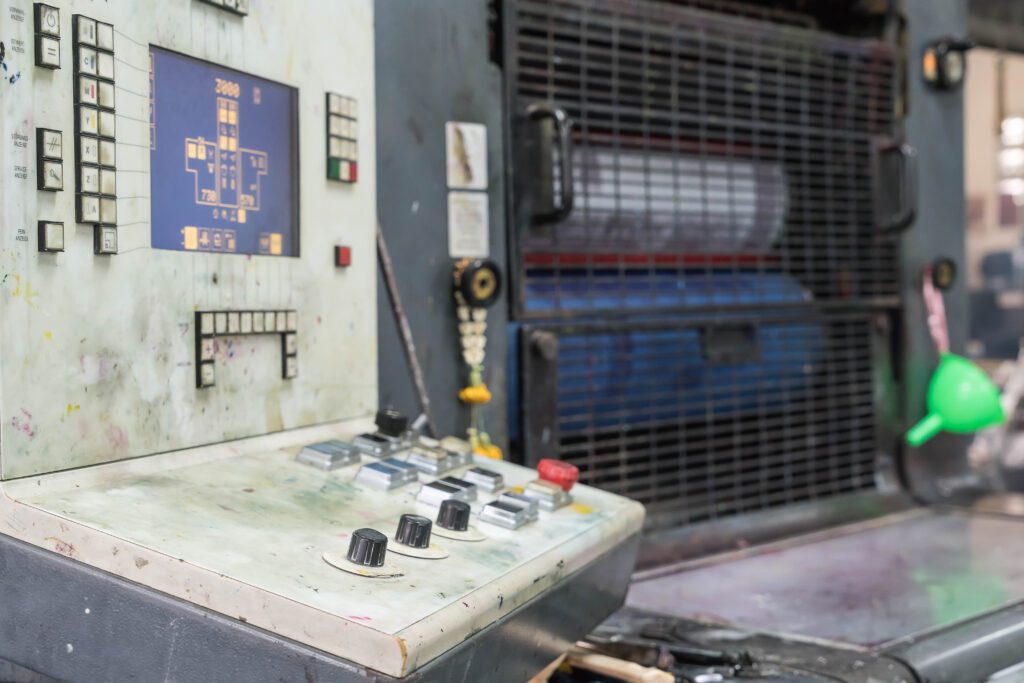
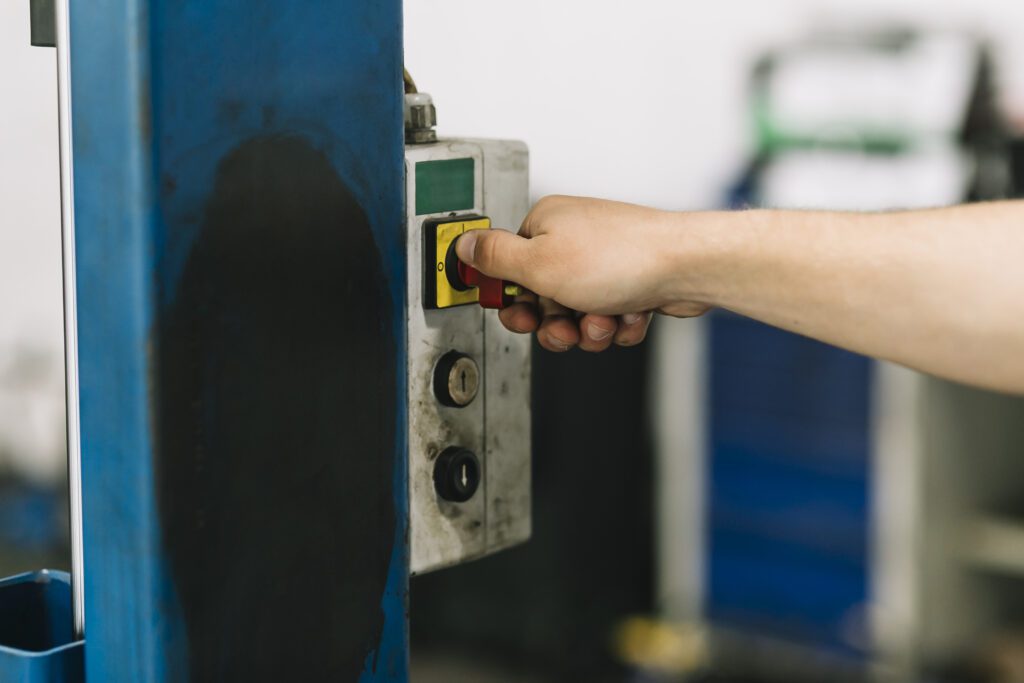
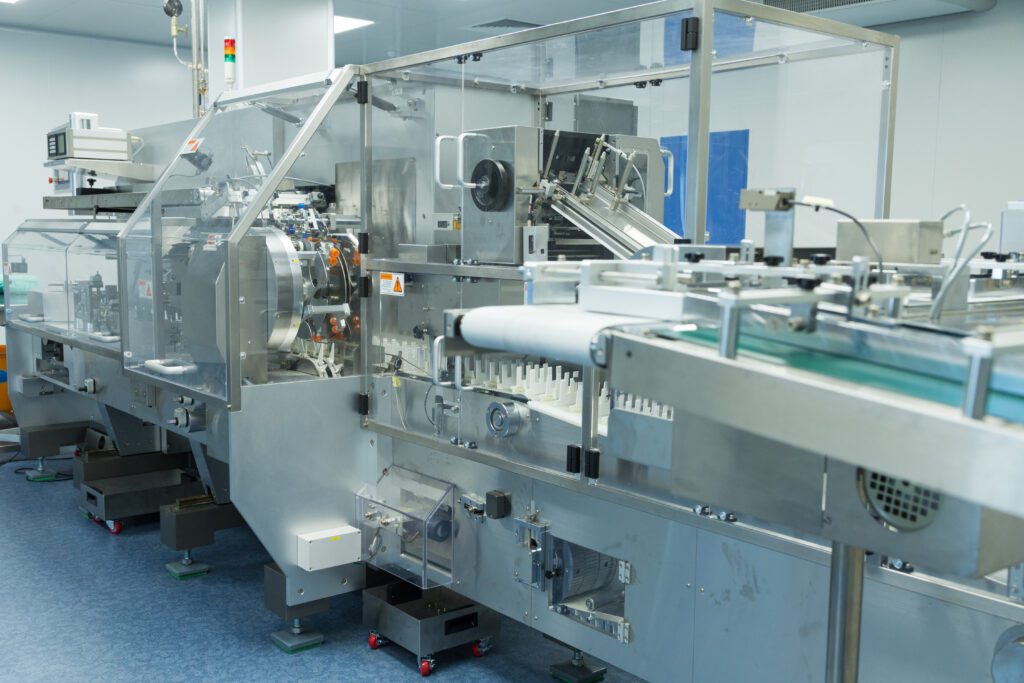
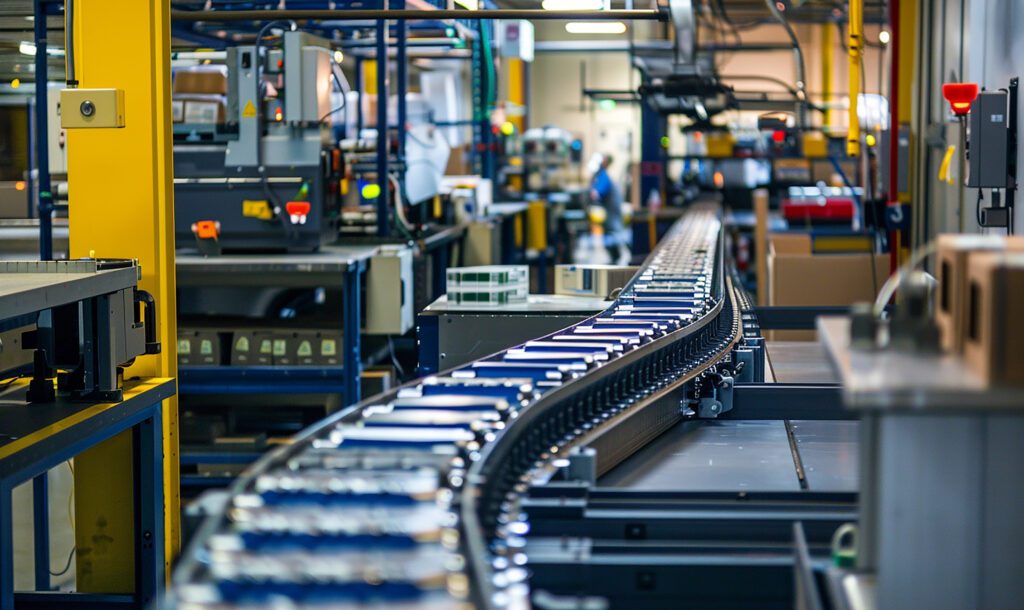
PUWER 98 refers to the Provision and Use of Work Equipment Regulations 1998 — a cornerstone of UK workplace safety law. These regulations place clear legal duties on employers, the self-employed, and anyone responsible for work equipment to ensure that it is safe, suitable, and properly managed throughout its use.
PUWER is not optional guidance. It is a statutory requirement introduced under the Health and Safety at Work etc. Act 1974 and is actively enforced by the Health and Safety Executive (HSE) and local authorities. Failure to comply can result in improvement notices, prohibition notices, substantial fines, and in serious cases, prosecution.
PUWER applies to any work equipment used by employees at work, regardless of industry. The legal definition of work equipment is intentionally broad and includes:
Industrial machinery (e.g., presses, CNC machines, conveyors)
Construction plant (e.g., excavators, dumpers, telehandlers)
Agricultural equipment (e.g., tractors, balers)
Warehouse equipment
Power tools and hand tools
Ladders and access equipment
If equipment is used in the course of work activities, PUWER obligations are likely to apply.
To comply with PUWER, duty holders must ensure that equipment is:
The machinery must be appropriate for the task and operating environment, including foreseeable misuse.
Regular maintenance, servicing, and inspection must be carried out and documented.
Dangerous moving parts must be protected by fixed guards, interlocked systems, or other effective protective measures.
Start, stop, and emergency stop controls must be clearly identifiable, functional, and positioned safely.
Employees must receive adequate information, instruction, training, and supervision.
These duties require more than basic compliance — they demand an ongoing, structured approach to machinery safety management.
Machinery-related incidents remain one of the leading causes of serious workplace injuries in sectors such as manufacturing, engineering, logistics, and construction. Common causes include inadequate guarding, poor maintenance, unsafe modifications, and insufficient operator training — all areas directly addressed by PUWER.
A properly implemented PUWER framework helps organisations:
Reduce the risk of injury and enforcement action
Demonstrate legal compliance during inspections
Protect directors and senior managers from liability exposure
Strengthen insurance and audit outcomes
Safeguard operational continuity
From a governance perspective, PUWER compliance demonstrates due diligence and responsible risk management — both essential components of corporate credibility and trust.
In practical terms, PUWER 98 forms the backbone of machinery safety in the UK. It provides the legal framework that ensures work equipment is safe from installation through to daily operation and maintenance.
For business owners and managers, understanding PUWER is not simply about meeting regulatory requirements. It is about protecting people, reducing financial risk, and building a culture of accountability grounded in legal compliance and professional best practice.
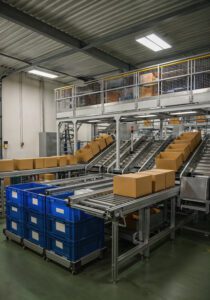 Complying with the Provision and Use of Work Equipment Regulations 1998 (PUWER) is more than a statutory duty — it is a fundamental part of responsible business management. PUWER requires employers to ensure that all work equipment is suitable, properly maintained, and safe to use. A structured PUWER machinery risk assessment provides documented evidence that you have identified foreseeable hazards, evaluated risk levels, and implemented proportionate control measures. This not only protects employees but also demonstrates clear legal compliance and professional accountability.
PUWER is enforced by the Health and Safety Executive (HSE), which has the authority to issue improvement notices, prohibition notices, and, in serious cases, pursue prosecution. Businesses that cannot evidence suitable risk assessments may face significant financial penalties and reputational damage. A professionally conducted PUWER assessment ensures your machinery aligns with current safety expectations, including guarding requirements, emergency stop functionality, control system integrity, safe isolation procedures, and operator training standards.
Demonstrating compliance through written assessments, inspection records, and maintenance logs strengthens your position during audits, insurance reviews, and any regulatory investigations. This level of documentation reflects both expertise and due diligence — key indicators of organisational competence.
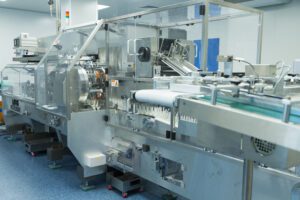 Machinery-related incidents remain one of the leading causes of serious workplace injuries across manufacturing, engineering, construction, and logistics sectors. Many incidents stem from inadequate guarding, poor maintenance, unauthorised modifications, or insufficient training. A competent PUWER assessor applies technical knowledge of machinery design, mechanical hazards, electrical safety principles, and human factors to identify risks that may not be obvious to untrained personnel.
High-quality assessments include:
Clear hazard identification and risk evaluation
Practical, prioritised corrective actions
Photographic evidence and compliance mapping
Reference to relevant British and harmonised standards where applicable
This structured and transparent approach demonstrates experience and technical authority while giving business owners clear, actionable guidance.
Effective PUWER machinery risk assessments do more than prevent injuries — they protect operational performance. Early identification of mechanical faults, wear, or unsafe alterations helps prevent unplanned downtime and costly repairs. Businesses that integrate machinery safety into their wider risk management strategy often benefit from:
Reduced accident-related disruption
Lower absenteeism
Improved staff morale and retention
Greater confidence from insurers and clients
By embedding safety into everyday operations, organisations build a culture of accountability and trust — both internally with employees and externally with stakeholders.
 Under the Health and Safety at Work etc. Act 1974, employers have a duty to ensure, so far as is reasonably practicable, the health and safety of employees. PUWER risk assessments form a critical part of meeting that obligation. When assessments are carried out by qualified professionals and supported by clear documentation, they demonstrate a proactive commitment to worker welfare and regulatory compliance.
For clients, contractors, and supply chain partners, this level of diligence reinforces your credibility. For employees, it signals that their safety is taken seriously. In today’s regulatory and commercial environment, that trust is invaluable.
PUWER machinery risk assessments should never be treated as a paperwork exercise. They are a strategic investment in legal protection, operational resilience, and long-term business sustainability. Companies that prioritise machinery safety reduce financial exposure, strengthen compliance posture, and protect the people who drive their success.
By aligning practical experience, technical expertise, regulatory authority, and transparent reporting, a robust PUWER assessment supports both your legal obligations and your reputation as a responsible employer.
This includes powered and non-powered machinery used in manufacturing and production environments, such as:
CNC machines
Lathes and milling machines
Presses and punch machines
Conveyor systems
Injection moulding machines
Packaging machinery
Any machine with moving parts, cutting components, or mechanical hazards is typically covered.
PUWER applies to equipment used on construction sites, including:
Excavators and dumpers
Telehandlers
Cement mixers
Mobile plant
Portable generators
(While lifting equipment is also covered by Lifting Operations and Lifting Equipment Regulations 1998 (LOLER), it must still meet PUWER requirements for general safety.)
Both electric and manual tools fall within scope, such as:
Angle grinders
Drills and saws
Nail guns
Hydraulic tools
Hand tools like hammers and spanners
Even simple hand tools must be suitable, maintained, and safe for use.
Equipment that supports work activities also falls under PUWER, including:
Forklift trucks
Pallet trucks
Racking systems
Ladders
Pressure washers
Office equipment (e.g., shredders)
Farm machinery is also covered, such as:
Tractors
Harvesters
Balers
Feed mixers
PUWER generally does not apply to:
Privately owned equipment not used for work
Equipment used by the public (unless employees use it for work)
Certain ship equipment covered by maritime law
If equipment is used by employees at work, PUWER likely applies. Employers must ensure:
Equipment is suitable for its intended use
It is maintained in safe condition
Operators are properly trained
Adequate guarding and safety measures are in place
Risks are formally assessed
Because the definition of “work equipment” is so wide, many businesses underestimate their obligations. A PUWER assessment helps confirm compliance and identify any gaps before an inspection or incident occurs.
A PUWER machinery risk assessment is a structured, evidence-based evaluation of work equipment carried out to ensure compliance with the Provision and Use of Work Equipment Regulations 1998. It is not a generic checklist. It is a detailed technical review designed to confirm that machinery is safe, suitable for its intended use, and properly controlled throughout its lifecycle.
To meet regulatory expectations — and to align with best practice safety management — a robust PUWER assessment should include the following core components:
A competent assessment begins by defining exactly what is being reviewed. This includes:
Machine type, manufacturer, model, and serial number
Year of manufacture and installation
Intended use and actual use in practice
Operating environment (factory floor, construction site, warehouse, etc.)
Identification of operators, maintenance personnel, and others at risk
Understanding how equipment is genuinely used — including cleaning, maintenance, and foreseeable misuse — demonstrates practical experience and ensures the assessment reflects real-world conditions.
A PUWER assessment requires a structured examination of all reasonably foreseeable hazards, such as:
Mechanical risks (entanglement, crushing, shearing, drawing-in points)
Electrical hazards and isolation arrangements
Unexpected start-up risks
Ejection of parts or materials
Hot surfaces or thermal exposure
Noise and vibration concerns
Access, slips, and ergonomic risks
Hazards must be considered across the full equipment lifecycle — operation, maintenance, adjustment, breakdown, and cleaning — not just during normal production use.
Each identified hazard is evaluated using a defensible risk assessment methodology that considers:
Severity of potential harm
Likelihood of occurrence
Frequency and duration of exposure
Number of persons at risk
Using a consistent risk rating system demonstrates professionalism, transparency, and technical competence. It also allows businesses to prioritise corrective actions logically and proportionately.
The assessment measures the machinery against relevant PUWER regulations, including:
Suitability of equipment for intended use
Adequacy of fixed and interlocked guarding
Emergency stop systems and control integrity
Prevention of unexpected start-up
Safe isolation of energy sources
Stability and structural soundness
Provision of information, instruction, and training
Where applicable, findings should be cross-referenced with recognised standards and current guidance issued by the Health and Safety Executive (HSE), reinforcing the authority and reliability of the assessment.
Compliance is not limited to original design. A professional PUWER review also examines:
Current physical condition of the machinery
Evidence of wear, damage, or temporary fixes
Maintenance schedules and service records
Any modifications or retrofits
Availability of manufacturer manuals and safety documentation
This ensures that machinery remains compliant over time, not just at installation.
A credible PUWER report does more than identify problems — it provides clear, actionable solutions. Recommendations should be:
Specific and technically sound
Prioritised by risk level
Realistic and proportionate
Supported by photographic evidence where relevant
This level of clarity reflects professional expertise and helps management make informed decisions quickly.
The final deliverable should include:
Executive summary for senior leadership
Detailed technical findings
Risk ratings and justification
Photographic documentation
Prioritised action plan
Well-structured documentation provides defensible evidence of due diligence during regulatory inspections, insurance audits, or incident investigations. It also demonstrates a proactive commitment to worker safety and corporate responsibility.
PUWER requires that assessments are carried out by a competent person — someone with appropriate knowledge, training, and practical machinery safety experience. A properly conducted PUWER machinery risk assessment is therefore not simply paperwork. It is a documented, technically informed review that protects people, supports compliance, and strengthens the operational resilience of your business.
PUWER 98 stands for the Provision and Use of Work Equipment Regulations 1998. It is UK legislation that requires employers and duty holders to ensure that work equipment is safe, suitable, properly maintained, and used by trained individuals.
PUWER is enforced by the Health and Safety Executive (HSE) and local authorities. Inspectors have the authority to issue improvement notices, prohibition notices, and pursue prosecution where serious breaches occur.
Work equipment includes any machinery, appliance, apparatus, tool, or installation used at work. This can range from industrial production machinery and forklift trucks to power tools, ladders, and agricultural equipment. If employees use it during work activities, PUWER likely applies.
While PUWER itself requires equipment to be safe and suitable, compliance is typically demonstrated through a structured risk assessment process. Conducting a documented PUWER machinery risk assessment provides defensible evidence that hazards have been identified and controlled in line with regulatory expectations.
PUWER requires that work equipment is inspected:
After installation and before first use (where safety depends on installation conditions)
After assembly at a new location
At suitable intervals where equipment is exposed to conditions causing deterioration
After exceptional circumstances such as accidents or major modifications
The frequency depends on the type of equipment, its usage, and environmental conditions. A risk-based approach is considered best practice.
PUWER applies broadly to all work equipment. The Lifting Operations and Lifting Equipment Regulations 1998 (LOLER) specifically covers lifting equipment and lifting operations. Lifting equipment must comply with both PUWER (general safety requirements) and LOLER (specific lifting safety standards).
A competent person is someone with sufficient training, knowledge, practical experience, and understanding of machinery safety to carry out assessments effectively. Competence may be demonstrated through qualifications, industry experience, and familiarity with relevant standards and regulatory guidance.
Failure to comply with PUWER can lead to enforcement action by the HSE, including:
Improvement notices
Prohibition notices (stopping equipment use immediately)
Unlimited fines
Prosecution of organisations and, in some cases, directors
Penalties are assessed under sentencing guidelines and can be significant, particularly where serious injury risk exists.
Yes. PUWER applies to all employers and self-employed individuals in the UK, regardless of company size. Small businesses are held to the same legal standard as larger organisations when it comes to protecting employees from machinery-related risks.
Demonstrating compliance with PUWER shows that your organisation takes legal responsibilities and worker safety seriously. It supports due diligence, strengthens insurance and audit outcomes, reduces accident-related downtime, and builds trust with employees, regulators, and clients.

No delay in on-boarding, no 30 day waiting period, no red tape. Simple booking service, and easy to organise assessments. On time, every time.

Our client inspection/ reporting portal provides instant access to your inspection reports, defect notifications, inspection due dates and graph data to highlight customer compliance.

Clear and actionable assessment reports, informing you exactly which actions you need to take, to bring your machinery into compliance.